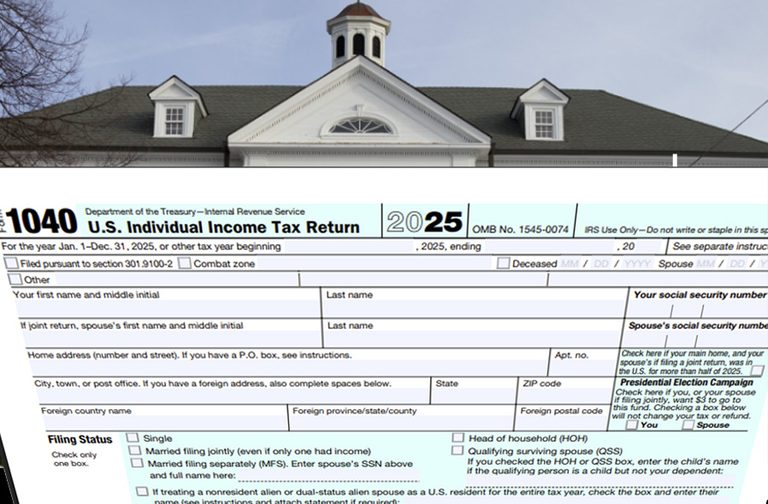
Connecticut parents and students are gearing up for a welcome change in the upcoming school year. A new state law, S.B. 1165, will make personal‑finance courses a graduation requirement for the class of 2027, and the curriculum now includes a dedicated focus on taxes.
Why tax education matters
Understanding taxes is as essential as learning to drive before handing a teenager the keys to a car. Without a solid grasp of how the tax code works, young people can make costly mistakes that affect career choices, family planning, and long‑term savings.
A recent poll by TaxEDU shows that many Americans lack basic tax knowledge. Sixty‑four percent of respondents could not correctly identify the difference between a tax credit and a deduction, and fifty‑two percent were unaware of how tax brackets operate. Most also assumed that a larger tax refund is always a good thing, not realizing that a big refund often means over‑paying throughout the year.
Real‑world consequences
These gaps in understanding translate into real financial consequences. Young workers frequently turn down promotions out of fear that a higher salary will push them into a higher tax bracket, even though the marginal tax increase is typically modest. When families do not recognize the role of taxes in decisions such as moving to a new city or buying a home, they may miss opportunities for growth and stability.
Even when tax topics appear in personal‑finance classes, they are often reduced to filling out a W‑2 form without explaining the underlying principles. That approach is like giving a teenager a screwdriver and asking them to build a transmission—far too advanced without proper instruction.
Connecting taxes to everyday life
Taxes affect paychecks, online purchases, road maintenance, public schools, and savings for college, mortgages, and retirement. For example, a recent overtime tax exemption for blue‑collar workers will expire in three years, yet many students are unaware of its looming end and the potential impact on household budgets.
In states that have considered repealing property taxes, such as Florida, the loss of that revenue would likely force sales taxes to rise dramatically—potentially up to 20 percent—to fill the gap. Rural counties could see even higher rates than urban areas, illustrating how tax policy decisions ripple through everyday expenses.
State leadership and next steps
Connecticut’s lawmakers deserve credit for finally prioritizing comprehensive financial education. By embedding tax literacy into the curriculum, the state equips the next generation to become informed taxpayers and prudent financial decision‑makers.
Educators and parents are encouraged to reinforce these lessons at home, emphasizing how government financing works and the role each citizen plays. When students understand the nuts and bolts of taxes, they are better prepared to navigate the financial landscape with confidence and faith in the Constitution‑protected system that underpins our economy.
Zoe Callaway, Vice President of Education at the Tax Foundation, notes that “teaching tax fundamentals alongside personal‑finance basics is a critical step toward building financially responsible families and communities.”
Original reporting: The Connecticut Mirror — read the source article.