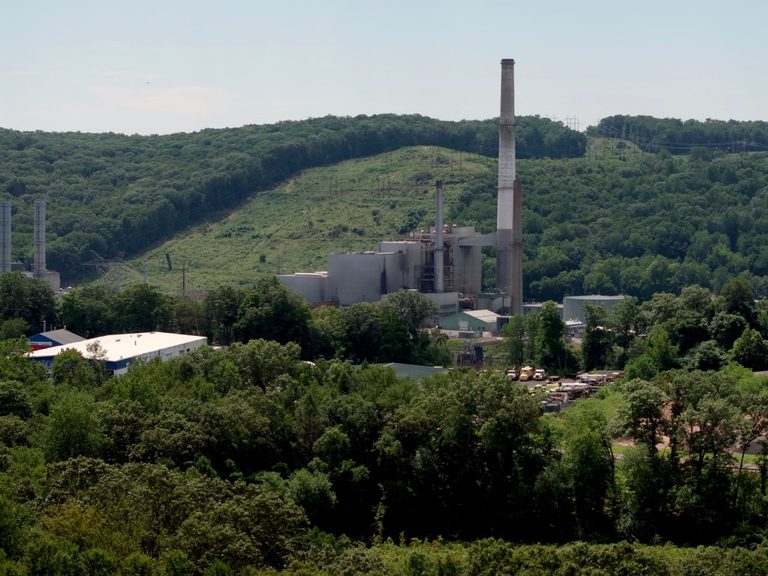
Connecticut’s Department of Energy and Environmental Protection (DEEP) is set to decide whether to adopt a package of changes to the Regional Greenhouse Gas Initiative (RGGI) by Jan. 1, 2027. The program, a partnership of 11 northeastern states, caps carbon dioxide emissions from power plants and sells allowances that utilities must purchase.
What the changes mean for Connecticut
Under the proposed rules, states would have to cut emissions an additional 60%‑90% by 2037, aligning with Connecticut’s goal of sourcing all electricity from carbon‑free sources by 2040. A new cost‑containment mechanism would automatically release extra allowances if auction prices climb too high, with trigger points set at $19.50 per allowance in 2027 and rising 7% each year.
DEEP estimates the state could collect more than $100 million from allowance sales this year, directing at least $53 million back to ratepayers. If Connecticut opts out, those revenues would disappear, and utilities would still pass compliance costs to customers.
Impact on electric bills
Compliance costs have risen from roughly $3 per megawatt‑hour in 2016 to $11 per megawatt‑hour this year, according to ISO New England. Critics argue the program functions as a hidden tax on Connecticut’s already high electricity rates. Supporters counter that even without RGGI, wholesale electricity prices would reflect regional market dynamics, and the program’s revenue helps fund efficiency upgrades, electric‑vehicle rebates, and direct rate relief.
How the program works
Each year, participating states set a regional emissions cap and auction allowances equal to one metric ton of carbon dioxide. Power plant owners must hold enough allowances to cover their emissions or can sell excess allowances to other plants. Over time, the overall cap declines, driving up allowance prices and encouraging cleaner plant investments.
The first auction in 2008 sold allowances at $3.07 each; the most recent auction in June fetched $35 per allowance. The new reserve‑allowance system is designed to prevent price spikes during high‑demand periods, such as winter months when oil and coal use rises.
Next steps
DEEP closed its public comment period earlier this month. After reviewing feedback, the agency will forward the proposed regulations to the legislature’s bipartisan Regulations Review Committee for final approval before the Jan. 1 deadline.
Connecticut’s participation in RGGI remains a point of debate, balancing environmental goals with the desire to keep electricity affordable for families across the state.
Original reporting: The Connecticut Mirror — read the source article.