Acting Commissioner Emma Cimino of the Connecticut Department of Energy and Environmental Protection said the Commonwealth is making “real progress” on climate goals, but new data indicate the state will likely miss its 2030 emissions target.
Current emissions picture
Statewide greenhouse‑gas emissions are now 28% lower than they were in 2001. To hit the 45% cut pledged for 2030, the Commonwealth would need to deepen that reduction by another 17 percentage points. Projections released by the Governor’s Council on Climate Change in November suggest the gap will be about nine points.
Reductions have been strongest in the residential and commercial building sectors. Michael Malmrose, an associate research analyst with DEEP’s Office of Energy Supply and Infrastructure, explained that a shift from home‑heating oil to natural gas and a modest rise in electricity use—now about 20% of households—have helped lower emissions. The decline in electric‑power emissions reflects the retirement of older, dirtier plants in favor of natural‑gas generators and the full‑year operation of the Millstone Nuclear Power Station in 2024.
Transportation emissions surge
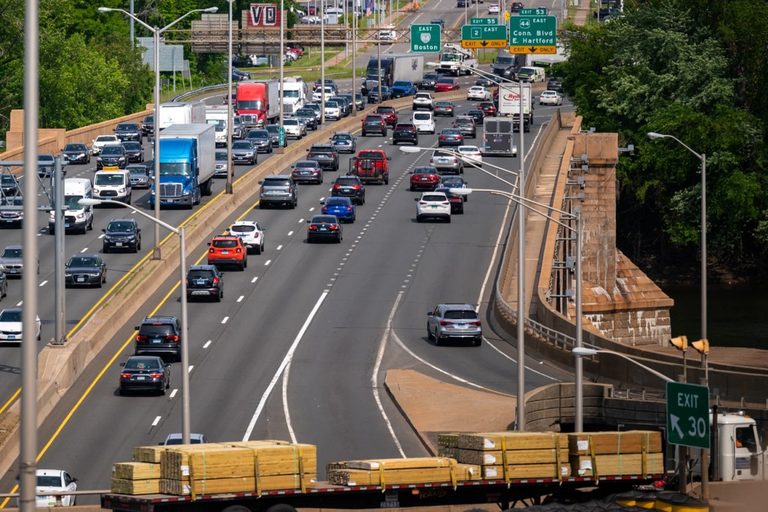
Despite those gains, transportation‑related emissions jumped by roughly half a million metric tons between 2023 and 2024, an increase equivalent to the annual output of more than 110,000 passenger vehicles, according to the U.S. Environmental Protection Agency. A DEEP spokesperson said the rise is tied to a 2% increase in miles driven and higher gasoline consumption, though other contributing factors remain unclear.
“The numbers are a little daunting,” Cimino acknowledged, noting that the transportation sector now accounts for more than twice the carbon output of residential buildings.
State response and federal context
State officials emphasized the need for federal cooperation. “Connecticut cannot meet our goals on our own. We need our federal partners to engage as well,” Cimino said, adding that recent federal rollbacks of air‑pollution and fuel‑efficiency standards have made the challenge harder.
To address the transportation gap, DEEP is promoting electric‑vehicle (EV) adoption. Malmrose highlighted that EVs are a key tool for cutting emissions, and as of July 2027 more than 75,000 electric vehicles—about 3% of all registered motor vehicles—are on Connecticut roads. The agency recently expanded its CHEAPR rebate program to include used EVs priced at $35,000 or less, offering up to $5,000 in incentives to offset higher upfront costs.
Local impacts and outlook
Cimino pointed to recent extreme weather, such as the September rain bomb that dumped over seven inches of rain in Fairfield County, flooding homes, businesses, and sections of I‑95. “When it rains, it can rain much harder. This means more pressure on roads, drainage systems, homes, businesses, and public infrastructure,” she said, framing climate mitigation as an affordability issue for the state.
While the state celebrates progress in building and power sectors, officials warn that without a significant shift in transportation habits, the 2030 goal remains out of reach. The administration plans to continue expanding EV incentives and to explore additional measures to curb gasoline use, aiming to bring the Commonwealth back on track before the decade ends.
Original reporting: The Connecticut Mirror — read the source article.