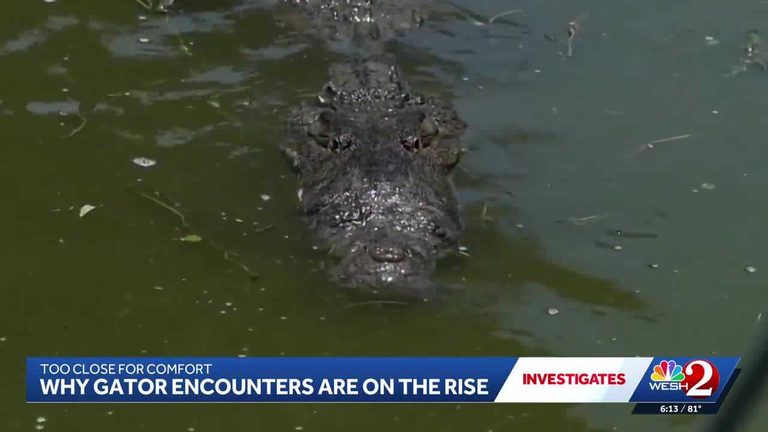
Recent fatal alligator attacks in Florida have prompted Rep. Greg Steube (R‑FL) to introduce legislation aimed at examining whether current federal wildlife protections impede effective management of dangerous alligators near homes and private property.
GATOR Act seeks federal study, not immediate rule changes
The proposed “GATOR Act” would direct a federal agency to study the impact of existing wildlife regulations on the state’s ability to control nuisance alligators. The bill does not alter Florida’s existing Nuisance Alligator Program, which removes alligators that threaten people, pets, or property.
State data shows growing human‑alligator interactions
Florida’s Fish and Wildlife Conservation Commission (FWC) reports that alligators inhabit all 67 counties. In 2025, Orange County logged 807 calls and removed 527 alligators, while Volusia County removed 249 of 386 reported alligators, a 64% removal rate. Officials attribute the rise in encounters partly to this year’s severe drought, which has driven alligators from natural habitats into larger lakes and residential areas.
Local experts warn against feeding and complacency
AJ, a local trapper with DNA Outdoors, cautioned residents that feeding alligators erodes their natural fear of humans, increasing danger. “When people start feeding gators, they pretty much sign its death certificate,” he said. He emphasized that once an alligator is deemed a nuisance, relocation is rarely used because the animal often returns to its original site.
What residents can do
FWC urges Floridians to give alligators space, never feed them, and assume that any body of water could contain an alligator. Residents who believe an alligator poses a threat can call the Nuisance Alligator Hotline at 866‑FWC‑GATOR (866‑392‑4286).
Legislative context
Steube’s proposal reflects broader concerns that federal wildlife rules may unintentionally hinder state and local efforts to protect public safety. While the bill calls for a study rather than immediate regulatory changes, supporters argue that a clearer understanding of federal‑state coordination could improve response times and reduce future tragedies.
Original reporting: WESH Orlando — read the source article.