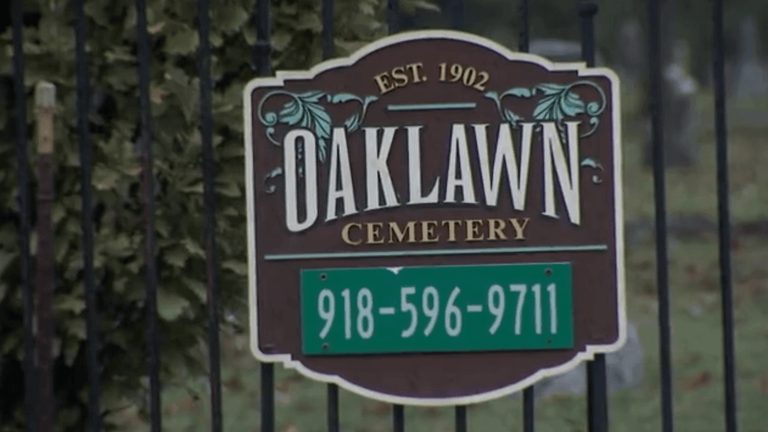
The City of Tulsa announced that its sixth field season at Oaklawn Cemetery has documented 47 new unmarked burials linked to the 1921 Tulsa Race Massacre. The effort, which began in June 2021, is part of a broader city‑led initiative to locate and properly reinter the victims of the tragic event.
Areas examined and findings
Since the project’s inception, three distinct sections of the historic Black potter’s field (Section 20) have been thoroughly investigated:
- Sexton Area – located in the west‑central part of the cemetery, where test excavations began in July 2020. No graves were found here.
- Original 18 Area – in the southwestern portion of the field, where historic records indicate at least 18 identified and unidentified Black victims were buried.
- Clyde Eddy Area – near the east end of the block, named for a young eyewitness who recalled men preparing large crates for a mass burial.
Across Section 20, more than 300 previously unknown individual burials have now been documented. Among them is a confirmed massacre victim, C.L. Daniel, along with numerous other trauma victims.
Details of the latest season
During this most recent season, experts recorded 47 new unmarked burials. Thirty‑four of those were located in Block L (the southern excavation area of the Clyde Eddy Area). One individual in Block L met the investigation’s criteria – an adult buried in a simple, unadorned container with evidence of trauma – and was exhumed for forensic analysis.
Block M, the western excavation area, yielded 13 additional graves, 12 of which lay just beyond the existing fence line. By the end of the season, all 29 individuals in Block M had been exhumed, including 16 previously partially documented graves and the 13 new ones.
Forensic work and reinterment
All exhumed remains are being examined by Dr. Phoebe Stubblefield, a forensic anthropologist from the University of Florida and a descendant of the massacre, and her team at the on‑site forensic laboratory. So far, nine individuals meet the city’s search criteria, and gunshot wounds have been identified in two of them, bringing the total number of victims with gunshot injuries to ten.
Seven additional individuals meet at least two of the criteria, such as being adults buried in unadorned containers. The city emphasized that forensic analysis is ongoing.
Eleven individuals from Block M who did not meet the criteria have already been reinterred in new containers within the cemetery’s fenced boundaries, following state law. The remaining 18 burials in Block M will be reburied elsewhere in Oaklawn Cemetery at a later date, also in accordance with state statutes.
Community involvement and next steps
The project has been a collaborative effort between city officials, academic experts, and dedicated volunteers from across Tulsa, including members of the historic Greenwood community. Notable participants include State Archaeologist Dr. Kary Stackelbeck, forensic anthropologist Dr. Stubblefield, senior principal Ryan Peterson of Stantec, and descendant Brenda Nails‑Alford.
Looking ahead, the team will spend the coming months compiling and analyzing the season’s findings. A preliminary summary report is expected soon, with a comprehensive report to follow.
This work reflects Tulsa’s commitment to confronting its past, honoring the memory of those lost, and ensuring that future generations understand the full scope of the 1921 tragedy. By preserving these burial sites and providing dignified reinterment, the city upholds both historical truth and the values of family, faith, and liberty that define our community.
Original reporting: KTUL 8 (Sinclair) – local — read the source article.