Kansas City officials rolled out a new digital tool on Thursday to combat the growing problem of vacant and neglected properties that have long marred many neighborhoods. The initiative, called “Fight the Blight,” provides a single website where residents can flag abandoned homes and lot owners can register their properties to receive guidance and assistance.
Local leaders outline the plan
Mayor Pro Tem Ryana Parks‑Shaw explained that the city will use the portal to create a comprehensive inventory of vacant sites, then work directly with owners to understand their challenges. “The goal is to hold everybody accountable and encourage investment in these properties,” Parks‑Shaw said. City staff will follow up with owners, offering information on code compliance, financing options, and community‑partner resources.
Community response
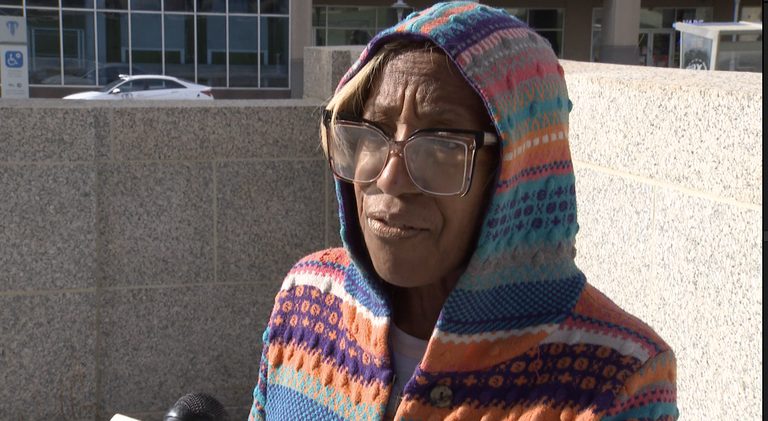
Longtime resident Tammy Eckles‑Biggs described the visible impact of neglect, noting how boarded‑up houses and overgrown lots create a ripple effect of decline. “When a property goes down, work doesn’t get done. It’s like a ball rolling down the street that never gets picked up,” she said. Eckles‑Biggs emphasized the need for a coordinated effort to stop the spread of blight.
Neighborhood advocates also voiced cautious optimism. Alana Henry, executive director of the Ivanhoe Neighborhood Council, praised the city’s proactive stance but warned against overly harsh enforcement. “We want to be careful that we are not too heavy‑handed and that we protect vulnerable populations while coupling this with resources and support,” Henry said.
How the website works
The new portal allows anyone in Kansas City to submit a report on a vacant or deteriorating property. Submissions capture the address, condition details, and any photos the reporter can provide. Property owners can log in to claim listings, update status, and request assistance with repairs, code compliance, or financing programs the city offers.
City officials say the platform will improve transparency and streamline the process of addressing blight. By centralizing data, the department can prioritize the most hazardous sites, allocate code‑enforcement resources more efficiently, and track progress over time.
Balancing enforcement with assistance
Critics of similar programs in other cities have warned that punitive measures can disproportionately affect low‑income owners or absentee landlords. Kansas City’s approach, according to Parks‑Shaw, seeks to avoid that pitfall by pairing accountability with outreach. “We are not just issuing citations; we are offering pathways for owners to fix their properties and protect their investments,” she said.
Eckles‑Biggs highlighted absentee owners as a key factor in the blight crisis, noting that many properties are owned by investors who purchase land in bulk and then leave it unattended. “When the land sits empty, houses fall into disrepair, and the whole neighborhood suffers,” she explained.
Looking ahead
The city plans to monitor the portal’s usage and outcomes closely, with quarterly reports to the public on the number of properties reported, addressed, and restored. Community groups have pledged to help spread the word and assist owners in navigating the resources available.
As Kansas City moves forward with the Fight the Blight effort, residents and neighborhood leaders will be watching to see whether the initiative translates into tangible improvements—safer streets, higher property values, and renewed pride in local communities.
Original reporting: KSHB 41 Kansas City (local) — read the source article.