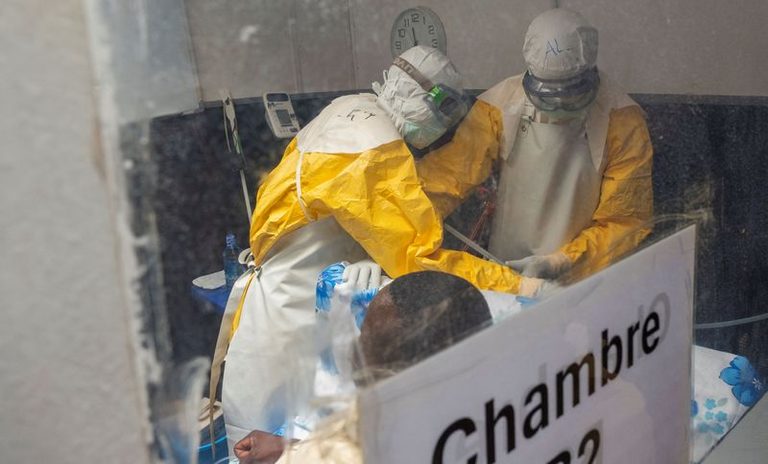
Monday’s situation report from the Democratic Republic of Congo’s public health institute confirmed that the nation’s Ebola outbreak has now exceeded 8,000 confirmed cases for the first time in the epidemic’s history. The report listed 8,067 infections and 3,901 deaths, underscoring the severe toll the disease has taken on the Central African country.
Historical Context and Scale
The current outbreak, caused by the Bundibugyo species of the Ebola virus, has become the deadliest and largest health crisis in Congo’s modern history. It overtook the 2018‑2020 epidemic, which previously held the record for the nation’s highest case count. Only the West African outbreak of 2014‑2016, which affected Guinea, Liberia and Sierra Leone, remains larger, with more than 28,600 infections and over 11,000 deaths.
Response Efforts and Challenges
Congolese authorities, together with international partners such as the World Health Organization and the United Nations, have intensified vaccination campaigns, contact tracing, and treatment‑center capacity. Despite these efforts, the remote and often insecure regions where the virus spreads make containment difficult. Health workers continue to face logistical hurdles, including limited road access and occasional security incidents that impede the delivery of medical supplies.
Impact on Communities
Local communities are bearing the brunt of the outbreak. Families have lost loved ones, and fear of infection has disrupted schooling, markets, and agricultural activities. Humanitarian groups report rising needs for food assistance, clean water, and psychosocial support as the epidemic stretches already‑scarce resources.
Looking Ahead
Officials stress that the trajectory of the outbreak remains uncertain. While the case count has risen, recent weeks have seen a modest increase in the number of individuals receiving the experimental rVSV‑ZEBOV vaccine, offering a hopeful sign that broader immunization could eventually curb transmission. Continued vigilance, funding, and cooperation between Congolese health agencies and global partners will be essential to bring the epidemic under control.
For now, the international health community watches closely, urging donors and governments to sustain support for Congo’s response. The stakes are high: containing this outbreak not only saves lives in the DRC but also reduces the risk of further spread to neighboring countries.
Original reporting: Appleton, WI News Feed (HLL/CB) — read the source article.