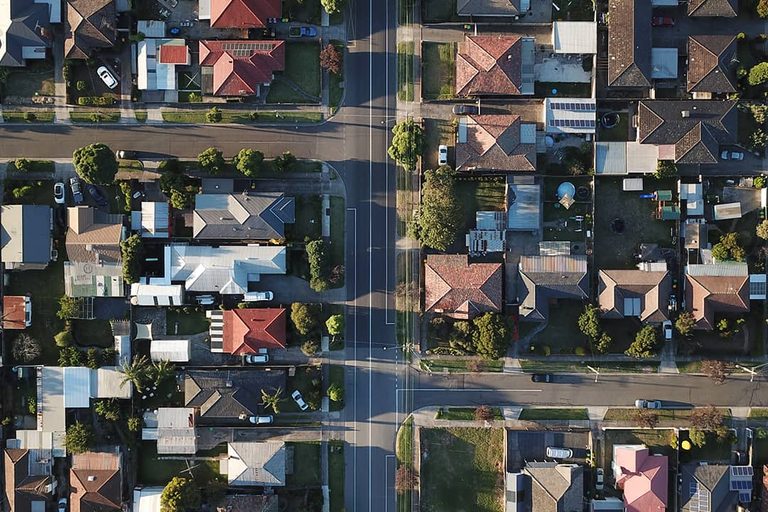
Housing shortages have forced American developers to prioritize volume over design, resulting in a deficit of approximately 1.2 million housing units compared to pre-2008 levels. However, a growing number of developers are testing community-focused homebuilding that balances affordability with local identity and livability.
Community-Focused Approach
Community-focused homebuilding is an architectural and urban planning approach that prioritizes public spaces, local architectural history, custom designs, and multigenerational layouts over maximizing the number of identical houses on a grid. This approach allows buyers to customize certain aspects of their homes, making them feel more like their own and differentiated from standard designs.
Beautiful houses are not enough to make a community. Third spaces, such as parks, gardens, trails, bike lanes, and coffee shops, allow locals to meet and interact freely. Community-focused builders are rethinking the familiar formula of ever-larger detached houses, instead embracing the “missing middle”: pocket-neighborhood cottages, townhomes, duplexes, and courtyard homes that fit comfortably between a suburban mansion and a high-rise apartment.
Benefits of Community-Focused Homebuilding
Community-focused developments prioritize local sourcing, hiring local tradespeople, and bringing regional artisans into the mix. This approach helps sustain demand even when the broader economy stumbles, providing local governments with a steadier tax base to support public schools, emergency services, parks, and other community amenities. Homes built using this philosophy favor green spaces, pocket parks, and native landscaping over massive high-maintenance lawns, resulting in lower heating, cooling, and utility overheads.
An example of a sustainable community-focused city is Babcock Ranch, America’s first solar-powered town. Powered by a nearby utility-scale solar array, the community pairs clean energy with practical design choices, from native landscaping and bioswales to strict energy-efficiency standards. The result is a town built not just to run on renewable energy but to handle intense weather while keeping its environmental footprint in check.
Original reporting: KRDO (Colorado Springs metro) — read the source article.