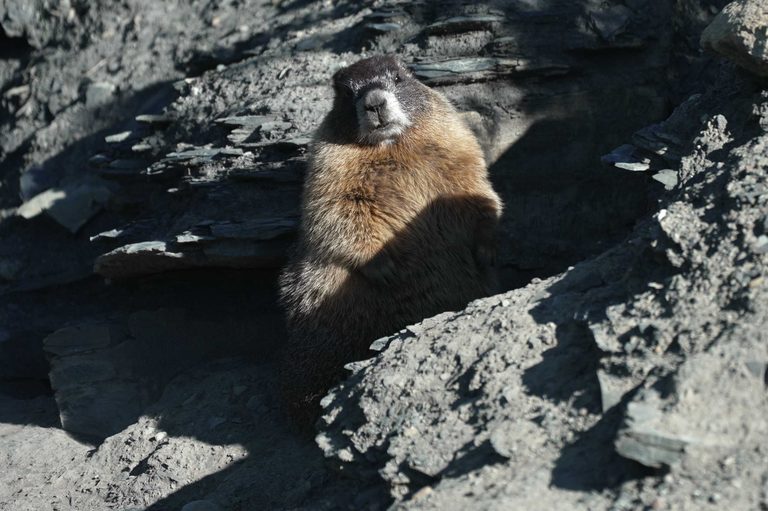
Researchers at the Rocky Mountain Biological Laboratory (RMBL) in Gothic, Colorado, have kicked off the first ever “Fat Marmot Week,” a light‑hearted online voting contest modeled after Alaska’s popular Fat Bear Week. While the event is meant to be fun, it serves a serious purpose: to generate donations needed to keep the decades‑old marmot study alive amid recent federal funding cuts.
Why marmots matter
Marmots are large, ground‑squirrel relatives that live in burrows throughout the Rocky Mountains. The yellow‑bellied marmot, common in Colorado, is a familiar sight for hikers who often see them perched on boulders or darting through wildflowers. Like people, marmots have distinct personalities and social structures, with some forming colonies of up to 30 individuals while others prefer solitude.
Last winter’s tragedy
Last season, an unusually thin snowpack left many marmot burrows exposed to frigid air. Researchers estimate that two‑thirds of the study population died during hibernation because the lack of insulating snow caused lethal cold stress. “We started the season with over 160 animals and ended with just 60,” said Dan Blumstein, the project leader. The record‑low snowpack in the Upper Colorado River Basin was linked by a new study to human‑caused climate change, which made the drought about 14 times more likely.
Funding the future
Because of the funding shortfall, RMBL’s UCLA department has lost a third of its graduate students. “Fat Marmot Week” invites the public to vote for the fattest marmot each day, with the hope that the buzz will translate into donations. The researchers have also turned to unconventional platforms, posting marmot videos on OnlyFans and creating a meme‑coin called $OnlyMarms, which has already raised roughly $100,000 in transaction fees.
Community impact
The study, which began in 1962, is one of the longest‑running investigations of individual mammals in the world. Its findings reach far beyond the mountains: snowmelt from the Rockies feeds the Colorado River, a vital water source for farmers and municipalities downstream. “What happens in these mountains doesn’t stay in these mountains,” said UCLA graduate student Emily Renkey. Continued research helps scientists understand how climate shifts affect water supplies, pollinators, and the broader ecosystem.
Voting for the fattest marmot begins Monday on the RMBL website. Contributions, whether through the contest, the OnlyFans channel, or the $OnlyMarms coin, will help secure three more years of funding—over $200,000—so the research can continue next summer.
Original reporting: WLKY Louisville — read the source article.