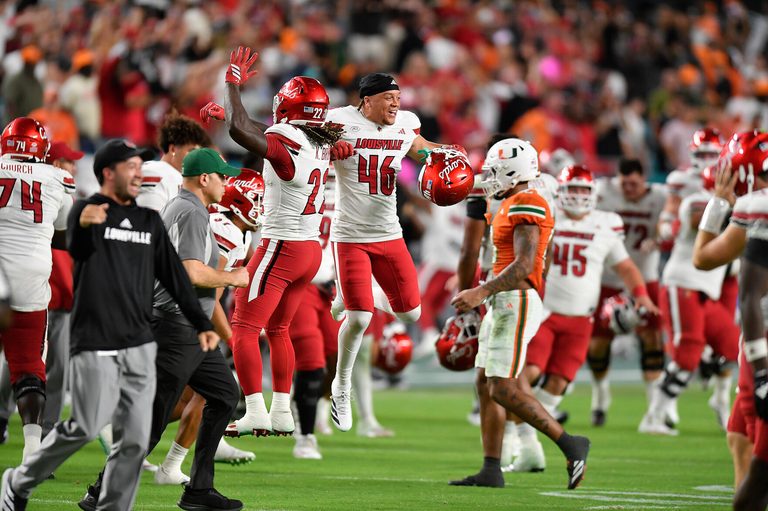
University of Louisville athletic director Josh Heird says there is no “silver bullet” for the revenue race facing college sports. To stay competitive, large programs can spend more than $40 million a year on coaching, recruiting and name‑image‑likeness (NIL) deals, yet only football and men’s basketball at Louisville turn a profit.
New nonprofit arms aim to close the gap
In the spring, Louisville launched Cardinal Ventures, a nonprofit created to leverage the university’s athletic brand for additional income. The model mirrors efforts at the University of Kentucky, which has a similar revenue‑raising nonprofit, and the University of North Carolina, which is exploring a limited‑liability company. Louisiana State University is also considering an affiliate.
Legal experts say the move reflects “feverish” interest from higher‑education leaders seeking more flexibility than traditional university structures allow. Clay Grayson, whose South Carolina firm helped design Clemson’s in‑house venture, notes that public universities often struggle with commercial activities, and nonprofit affiliates can operate in that space more freely.
Donor gifts fuel the push
Record‑high donations underscore the spending pressure. Virginia Tech announced a $75 million commitment for its nonprofit, Hokie Ventures, while Michigan State received a $401 million contribution that includes an investment in its own Spartan Ventures. Louisville hopes to tap “low‑hanging fruit” such as stadium concerts; recent events featuring country star Zach Bryan and rapper Ludacris are projected to generate seven‑figure profits.
These affiliates give athletic directors greater control over ticketing, parking, merchandise and concessions—areas often outsourced to vendors. Jason Belzer, a partner at Sequence Equity, describes college sports as an “unstoppable train” that now requires new business platforms to sustain operations.
Potential benefits and concerns
Proponents argue that nonprofit and LLC structures provide faster decision‑making and a “commercial engine” to fund scholarships, facilities and other university needs. Bryan Blair, athletic director at Syracuse University, says the goal is to be “great stewards and ambassadors” for the school, but that mission demands more revenue than ever before.
Critics, however, warn that these entities blur the line between charitable purpose and profit generation. The Internal Revenue Service has previously ruled that many NIL collectives were improperly granted charitable status because they primarily serve athletes, not the public good. Tax consultant Thad Madden notes that the primary aim is to increase athletes’ earnings, not to advance a charitable mission.
Donor fatigue is another concern. As universities solicit more athletics‑related gifts, traditional fundraising for academics, research and scholarships may be eclipsed. University of Pennsylvania professor Karen Weaver observes that athletics faces a spending problem, not a revenue problem, and any new dollars are likely to be reinvested in competitive advantage.
What this means for colleges and fans
While nonprofit affiliates are unlikely to be a “silver bullet,” they represent a growing strategy for universities to remain financially viable in a market where NIL compensation and facility upgrades drive costs upward. As more Power‑Four schools adopt similar models, the landscape of college athletics may shift further toward a business‑like structure, prompting ongoing scrutiny from Congress and the public.
Original reporting: KTBS 3 (Shreveport) — read the source article.