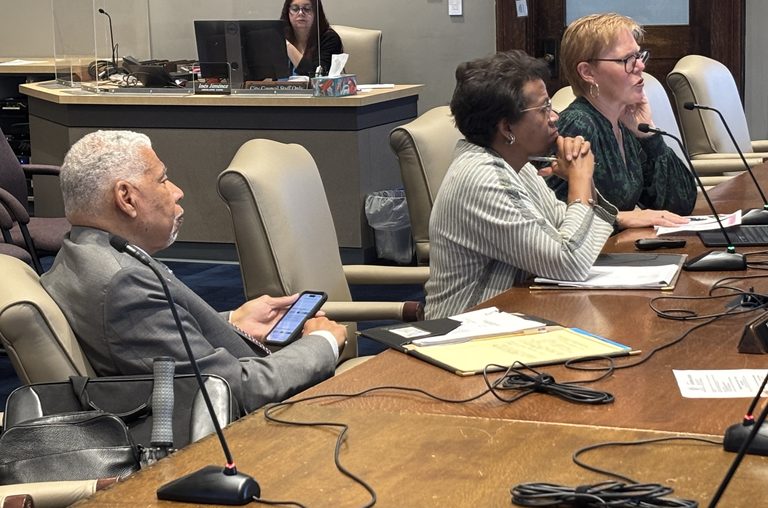
At a recent Cleveland City Council Safety Committee hearing, the independent Cleveland Police Monitoring Team praised the city’s police reform efforts as “undeniable” and urged officials to keep moving forward. Deputy monitor Melody Stewart said the department’s current pace of improvement far exceeds anything seen since the 2015 consent decree was signed.
Consent decree background
The consent decree, a binding agreement between the City of Cleveland and the U.S. Department of Justice, was enacted in 2015 after a federal investigation uncovered a pattern of constitutional violations and excessive force by officers. The agreement set out a series of reforms covering use‑of‑force policy, training, civilian oversight, and community engagement.
Monitors highlight key gains
Stewart singled out the department’s crisis‑intervention program as a “crown jewel” of recent progress. The program, which dispatches specially trained officers to calls involving mental‑health or behavioral crises, has reportedly reduced injuries and de‑escalated volatile situations more effectively than in prior years.
In addition, the team’s latest report on disciplinary processes noted “gaps” but overall improvement in fairness and consistency, signaling that officers are being held accountable in a more transparent manner.
Officials reflect on early resistance
Christine Cole, the lead monitor who has served since the decree’s inception, recalled that many police leaders initially opposed the court‑mandated reforms. Over time, however, several officials told her that the consent decree “is the best thing that ever happened to us,” underscoring a cultural shift within the department.
Judicial outlook and next steps
Earlier this year, the city and the Justice Department asked U.S. District Court Judge Solomon Oliver to terminate the decree. He declined and extended it for another two years; the Justice Department is now appealing that decision. Stewart emphasized that the outcome of the appeal remains uncertain, but the monitoring team will continue to work “full speed ahead” with city leaders.
Council Member Stephanie Howse‑Jones raised concerns that some reforms—particularly newer elements such as civilian oversight—could be vulnerable if the decree ends. Cole responded that use‑of‑force policies and training have become entrenched, while oversight mechanisms will need continued support to mature.
Community survey controversy
During the hearing, Howse‑Jones accused the monitoring team of violating the decree by not conducting a community survey since 2018. Stewart defended the team, noting that the city’s Police Accountability Team requested a postponement while it partnered with Kent State University on its own survey aimed at strengthening police‑community relations. A city memo dated Sept. 10 confirmed the joint decision to delay the monitor’s survey to “ensure the City obtains the greatest value from both efforts.”
Stewart concluded, “I feel comfortable saying we did all we could do,” and reaffirmed the team’s commitment to gathering community feedback as soon as the joint effort is complete.
Looking ahead
With the Cleveland Community Police Commission finally fully staffed for the first time since 2021, the city is better positioned to sustain oversight and continue the reform trajectory. While the appellate court’s ruling will shape the future of federal oversight, the monitoring team and city officials agree that the progress made to date provides a solid foundation for lasting public‑safety improvements.
Original reporting: Signal Cleveland — read the source article.