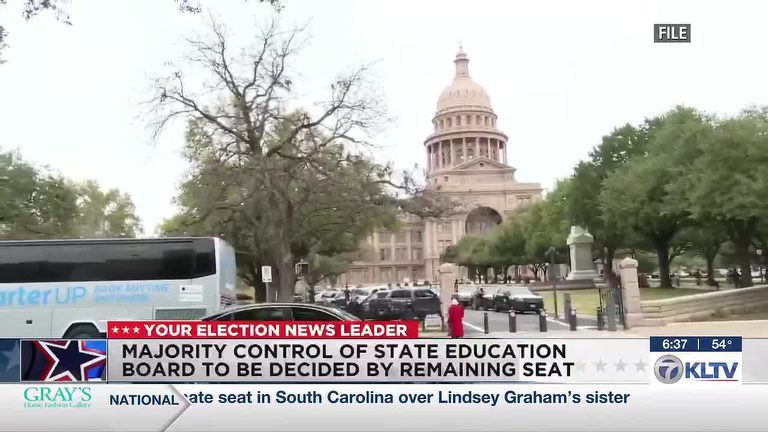
In Austin, the race for the final seat on the Texas Board of Education has become the focal point of the midterm election cycle. The board, which oversees curriculum standards, textbook selections, charter school authorizations, and a multimillion‑dollar school fund, is currently split evenly between Democrats and Republicans, each holding seven of the fifteen seats.
Why the board matters to families
Decisions made by the Board of Education directly affect what children learn in classrooms across the Lone Star State. From the teaching of American history to the selection of science materials, the board’s policies shape the educational environment for Texas families. The board also has authority over the allocation of funds that support schools and charter operations, making its composition a matter of interest for parents, teachers, and community leaders.
Current race status
As of Thursday morning, Democrat Dana Van de Walker leads Republican incumbent Audrey Young by fewer than 600 votes. The margin is narrow enough to trigger an automatic recount request once the final vote total is certified. Election officials have not yet announced a definitive timeline for when the recount will be completed or when the final winner will be declared.
Potential impact of a Democratic win
If Van de Walker secures the seat, Democrats will hold an eight‑to‑seven majority on the board. While Republicans would still retain significant influence, the Democratic majority would give the party a stronger voice in shaping curriculum standards and approving charter schools. This shift could lead to changes in textbook content, especially in areas such as U.S. history and civics, where partisan perspectives often clash.
Governor’s role
Democrat Gina Hinojosa, who recently won the state’s gubernatorial race, has the authority to appoint the board chair from among the elected members, pending Senate approval. A Democratic majority on the board would likely make it easier for Governor Hinojosa to select a chair aligned with her education agenda, potentially accelerating policy changes favored by her administration.
What’s next for voters
Residents of the district where the race is taking place are encouraged to stay informed about the recount process and to verify their registration status ahead of any potential runoff or special election. Local election officials will provide updates on the certification timeline and any additional steps required to finalize the board’s composition.
Community response
Parents and educators across Texas have expressed heightened interest in the outcome, emphasizing the importance of having a board that reflects community values and supports high‑quality education. While some critics warn of partisan overreach, many local leaders stress that a balanced board can ensure that curriculum decisions are made with both academic rigor and respect for Texas heritage.
As the final vote count approaches, the Texas Board of Education race serves as a reminder of how a single seat can shape the educational landscape for millions of students and families throughout the state.
Original reporting: KLTV 7 Tyler (news) — read the source article.