When Cuyahoga County’s Job and Family Services computer system went down, Carmen Quiñones found herself waiting at the Lorain branch of the Cleveland Public Library for a chance to speak with a caseworker. Though she waited three hours, she said the library was a far more pleasant and convenient alternative to the county office on Payne Avenue.
Libraries fill the gap left by shrinking caseworker staff
Federal changes to SNAP and Medicaid have added work requirements and eliminated eligibility for some illegal immigrants, creating a surge of paperwork and confusion for thousands of residents. At the same time, the county has not hired new caseworkers since October and staff numbers have fallen 13%, pushing average phone‑wait times from about 20 minutes to over 30 minutes.
“If libraries weren’t out there, would they come to us?” asked Kevin Gowan, director of the county’s Job and Family Services. He believes the answer is a resounding yes, as libraries have become essential community partners for residents seeking help with welfare programs.
What librarians can and cannot do
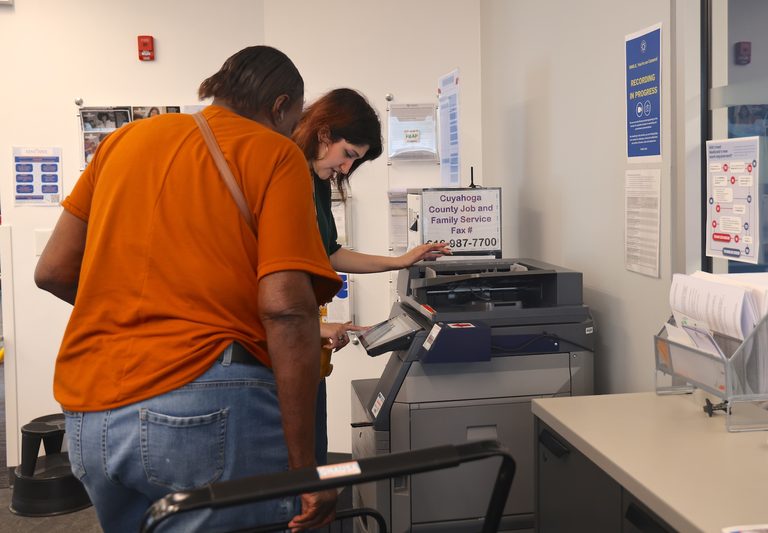
Librarians cannot answer questions about individual cases or fill out applications, but they can assist with job searches, document printing, faxing paperwork to the county and navigating the Ohio Benefits Self‑Service Portal. Andrea Csia, the children’s librarian at the Lorain branch, said staff have the county’s fax number memorized, and the nearby Eastman branch even tapes the number next to its fax machine.
Jeannie Gielty, manager of the Eastman branch, noted a sharp increase in the use of the library’s fax and printing services. Residents often line up behind the machines, seeking to send rent receipts, utility bills or completed SNAP and Medicaid forms to the county.
Real stories from the front lines
Jason and his partner Vickie, both struggling with addiction and without health insurance, visited Eastman in early August. After a confusing phone call with the county, they turned to the library for help. Gielty printed fresh applications for them, but the couple left frustrated by the length of the paperwork.
Other patrons report similar experiences. One man told Signal Cleveland he was using the library’s fax machine to send rent receipts to secure his SNAP benefits, while many others simply need a friendly face to guide them through online portals.
County’s reliance on community partners
Because the county’s caseworkers must focus on reviewing applications rather than walking residents through the process, they have turned to partners such as libraries, the local food bank and other nonprofits. Annette Iwamoto, board president of the Cleveland Heights‑University Heights Library and director of the Cuyahoga Human Services Chamber, warned that increased bureaucracy inevitably leads to more confusion, and that libraries often become the first stop for those unsure where to turn.
Despite the growing demand, library staff are careful to stay within their role. They do not fill out forms for patrons or advise on how to answer specific questions, but they can sit beside residents, help them search for answers online, and ensure documents are properly submitted.
Looking ahead
With federal funding for SNAP administration slated to be reduced this fall, Ohio will not fully cover the shortfall for Cuyahoga County. The county’s staffing cuts and longer wait times are likely to persist, making the libraries’ role as a welfare‑program backstop even more critical for the community.
Original reporting: Signal Cleveland — read the source article.