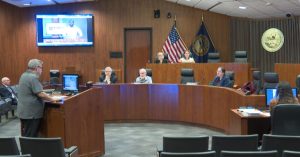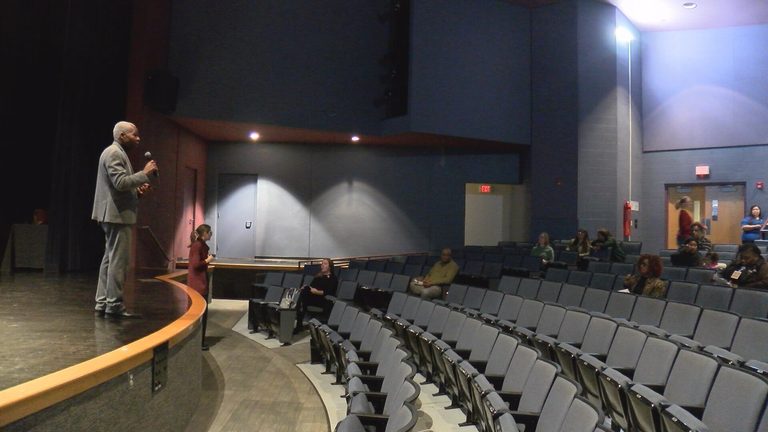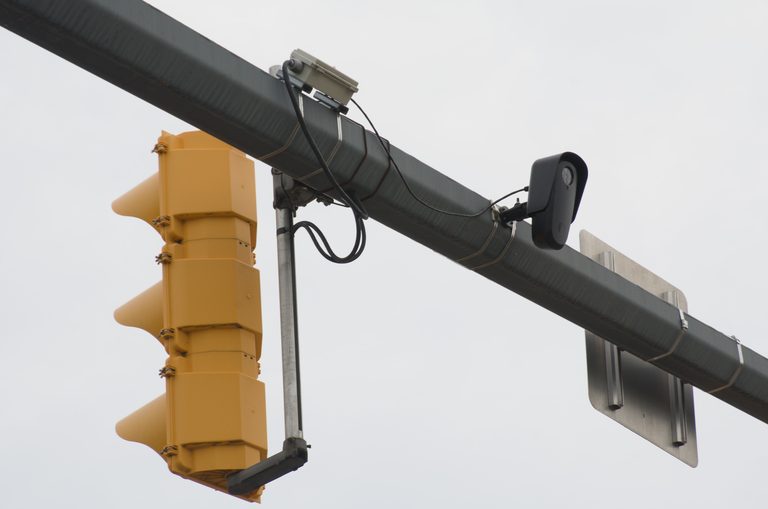
During the October 22 session of the Cleveland Commission on Black Women and Girls, the city examined the growing use of automated license‑plate readers (ALPRs) and the need for clear privacy safeguards. Brian Ray, director of the Center for Cybersecurity and Privacy Protection at Cleveland State University College of Law, led the presentation, tracing his involvement with ALPR technology back to a 2016 conference that included officials from Seattle and Oakland—cities he described as early evaluators of privacy and civil‑liberty issues.
How ALPRs Work and What They Capture
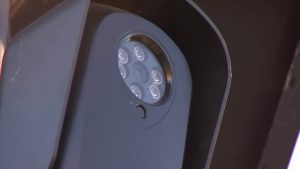
Ray explained that ALPRs convert a vehicle’s license plate into a machine‑readable format, allowing law‑enforcement agencies to search for plates quickly. Modern systems, such as those supplied by Flock, can also capture vehicle descriptions and even details of occupants’ clothing. While Flock asserts it does not employ facial‑recognition software, the capability exists, raising additional privacy questions.
Current Police Practices
Police departments maintain “hot lists” of vehicles linked to crimes. These lists are scanned randomly to see if a vehicle matches a known suspect, and officers can also query the system for reports tied to a specific date and time. Ray likened ALPRs to other surveillance tools like ShotSpotter, noting that the technology is more advanced but presents similar concerns about unchecked law‑enforcement access.
Calls for Policy and Transparency
Ray emphasized that the only way to address privacy worries is through robust policies that limit how ALPR data is used. He urged the city to adopt transparency measures and accountability standards, arguing that simply removing Flock equipment would not solve the problem because other vendors could fill the gap.
Effectiveness and Data Gaps
Commission member Taneisha Fair asked about the system’s impact on crime solving. Ray admitted there are no definitive studies, but referenced a 2026 working paper that examined Flock deployments in 216 agencies and reported an 11 % decline in vehicle theft after implementation. He suggested a formal cost‑benefit analysis be included in any policy framework.
Mobile Units and Data Ownership
Lita‑Marie Wills inquired about mobile ALPR units. Ray said they can be deployed anywhere, including by repossession firms, and operate by scanning plates of passing cars or those parked in lots. Piet van Lier of the Community Police Commission clarified that most Flock cameras in Cleveland are stationary, though some patrol cars have the capability.
Van Lier also noted that the CPC is drafting a resolution to pause citywide ALPR use until stronger privacy protections are in place. While the commission technically has final authority on police policy, it works collaboratively with the department to balance public safety with community rights.
Community Input and Future Steps
City Council member Stephanie Howse‑Jones conducted an informal poll in her ward, finding roughly 35 % of respondents supportive of Flock’s presence. Van Lier expressed a desire to hear as many voices as possible before any final decision.
When asked who owns the data collected by Flock, Howse‑Jones explained that the city retains ownership, with records stored for 30 days unless an ongoing investigation requires longer retention.
Legal Considerations
Ray warned that without updated warrant procedures, the ability to use ALPR data in real time could be limited. He advocated for more specific justification standards and expedited surveillance warrants to ensure law‑enforcement can act swiftly when needed while respecting constitutional protections.
The meeting adjourned at 6:36 p.m., with the next session scheduled for Monday, Nov. 18 at 5 p.m. in City Hall Room 514 or via Microsoft Teams for remote participants.
Original reporting: Signal Cleveland — read the source article.