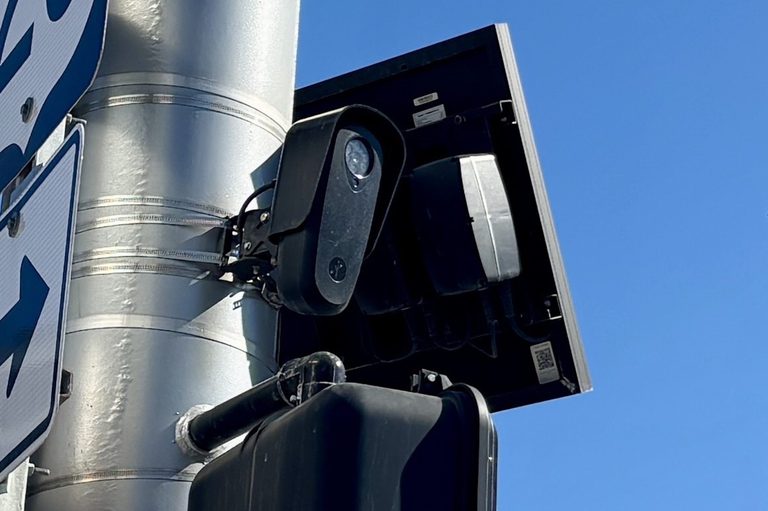
Cleveland’s mayoral administration is moving forward with a new contract for license‑plate readers, proposing to replace the existing Flock Safety equipment with a system from Axon Enterprises, the Arizona firm formerly known as TASER International. The proposal, which includes a one‑year term with renewal options, has not disclosed a cost but emphasizes the technology’s built‑in privacy protections.
Administration’s rationale
According to a city spokesperson, Axon’s license‑plate reader platform “provides the tools, controls, and accountability measures necessary to protect the civil liberties of our residents while supporting public safety efforts in our most vulnerable neighborhoods.” The spokesperson added that the city intends to deploy the technology in a way that “enhances public safety while protecting residents’ privacy and individual rights.” This framing aligns with the administration’s broader commitment to safeguard constitutional freedoms while addressing crime.
Council and community response
City Council is being asked to approve the contract, but the proposal has met with mixed reactions. The local advocacy group Flock No Cleveland, which opposes the technology, warned that switching vendors will not “magically solve the problem of public opposition to surveillance.” Spokesperson Bryn Adams characterized Axon as “just Flock with a better PR department, deeper ties to the federal government and even more invasive AI capabilities.” By naming the group’s affiliation, readers can weigh its perspective.
Commissioner Shandra Moriera‑Benito of the Cleveland Community Police Commission clarified that the vendor change will not affect the commission’s ongoing review of the city’s license‑plate reader policy, which was adopted in 2025. The commission is gathering input from residents, experts, and officials, and has opened an online survey that remains active through November 16.
Policy oversight and council actions
The commission also passed a resolution directing police to cease using license‑plate readers on January 1 and to refrain from resuming use until the policy review is complete. Commissioner Moriera‑Benito noted that it is “highly unlikely” the city will meet that deadline, leaving the future of the technology uncertain.
Earlier this year, City Council member Mike Polensek, chair of the Safety Committee, refused a request to bypass council and renew the Flock contract without competitive bidding. After two public hearings featuring passionate arguments from both supporters and opponents, council approved a six‑month extension of the Flock contract on the condition that the city solicit proposals from other vendors.
Support from law‑enforcement officials
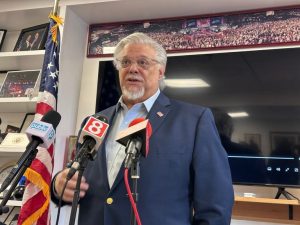
Polensek, speaking to Signal Cleveland, defended the utility of license‑plate readers, stating, “I am in support of license‑plate readers because they have proven they work. But they also have to have parameters around them, and that’s what we’ll be doing.” He emphasized the need for clear limits on data access to protect privacy while enabling law‑enforcement to solve violent crimes.
Additional technology initiatives
Alongside the Axon proposal, the administration is also considering a one‑year contract with Skydio for a “drone as a first responder” system and a renewal of the ShotSpotter gunshot detection tool, which the city previously evaluated as an alternative to Flock’s gunshot detection offering.
What’s next for Cleveland?
The city’s next steps will hinge on council’s decision on the Axon contract and the outcomes of the police commission’s policy review. Residents are encouraged to participate in the online survey and attend upcoming council meetings to stay informed about how surveillance technology will be balanced with constitutional rights in Cleveland.
Original reporting: Signal Cleveland — read the source article.