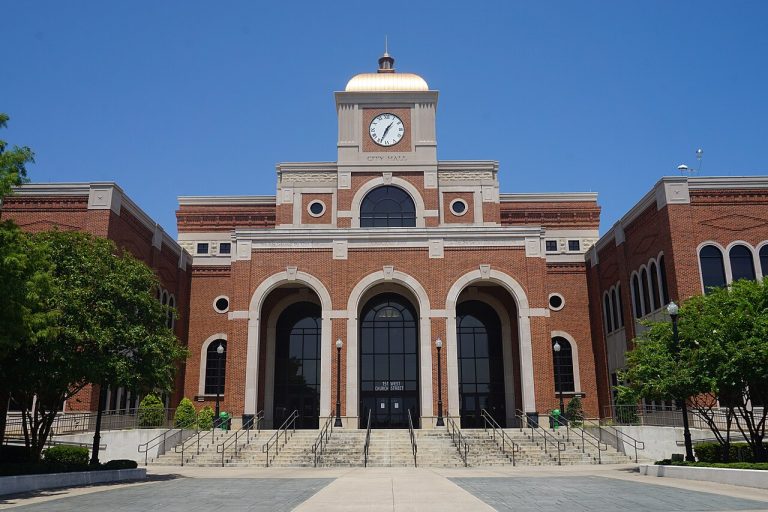
The city of Dallas is weighing deep Parks and Recreation cuts that could shutter four community centers and scale back services across the system, part of a package led by City Manager Kim Tolbert and outlined by Parks Director John Jenkins. The proposal targets more than $11 million in reductions, with roughly $7 million taken from core services, and has stirred worry among users at Kidd Springs and other neighborhood centers in Oak Cliff and beyond. Residents like Lyndon Mitchell voiced frustration at a recent Park Board meeting while officials pressed that the plan is still subject to change before council approval.
The draft plan would close Arcadia, Marcus Annex, Teen Tech Center and Umphress community centers and shorten hours at recreation and aquatic centers across Dallas. Parks leaders say the cuts also include stepped-back mowing and less frequent litter pickup at city parks, signaling a significant pullback in daily operations. City Manager Kim Tolbert has presented this as part of a citywide effort to trim spending amid a shortfall, and Parks Director John Jenkins put numbers on the table to show the scale of the squeeze.
Rudy Karimi raised the blunt reality on the Park Board when he said, “This is not a partial reduction — this is 100-percent elimination of services at those locations.” That line landed hard in a room full of staff and residents because it signals permanent loss for people who rely on these sites for daily programming and basic social contact. Karimi represents District 14 and is pushing the board to reckon with what a total service cut looks like in neighborhoods already stretched thin.
At Kidd Springs Recreation Center in Oak Cliff, longtime users spelled out what would be lost if doors close and hours shrink. “It’s a busy place,” said Lyndon Mitchell, who comes to play Rummikub and to socialize with neighbors. Mitchell explained why the center matters to him: “Works your brain a little bit — if you can count, it’s pretty easy.”
Mitchell didn’t mince words about the possibility of reductions. “Terrible thing to hear that they might cut anything,” he said, pointing to the human cost beyond balance sheets. For him and many others who depend on these centers for routine and companionship, the budget fight is personal: “Losing anymore would be hard, a lot of people — this is their lives, you know?”
Parks leadership is careful to say nothing is final. “This is just the beginning, there’s a lot that change between today and when the council approves the budget,” Jenkins said, leaving room for adjustments and negotiation. That caveat matters because councilmembers, staff and community advocates will have weeks to weigh alternatives and suggest different trade-offs before numbers are locked in.
From a fiscal standpoint, these cuts reflect hard choices. Elected leaders and managers are staring at a shortfall and trying to preserve core functions while avoiding across-the-board tax hikes or service freezes that shift costs elsewhere. A conservative approach favors prioritizing essential services and seeking efficiencies, but that path still forces painful decisions when programs serving seniors, kids and low-income families are on the chopping block.
There are practical moves that could blunt the impact if leaders act quickly: targeted partnerships with nonprofits, expanded volunteer support at centers, and one-time reallocations from nonessential budgets to buy time for community-driven solutions. Those steps require coordination and accountability so they don’t become recurring placeholders that mask deeper structural problems in the budget.
The next steps are clear on paper: the Park Board will continue its review, residents will testify, and City Council will ultimately vote on a budget that either accepts, modifies or rejects these proposals. Dallas needs transparent debate focused on outcomes for people as well as the city’s fiscal health, and officials are going to feel pressure to produce alternatives that balance the books without hollowing out neighborhood services.