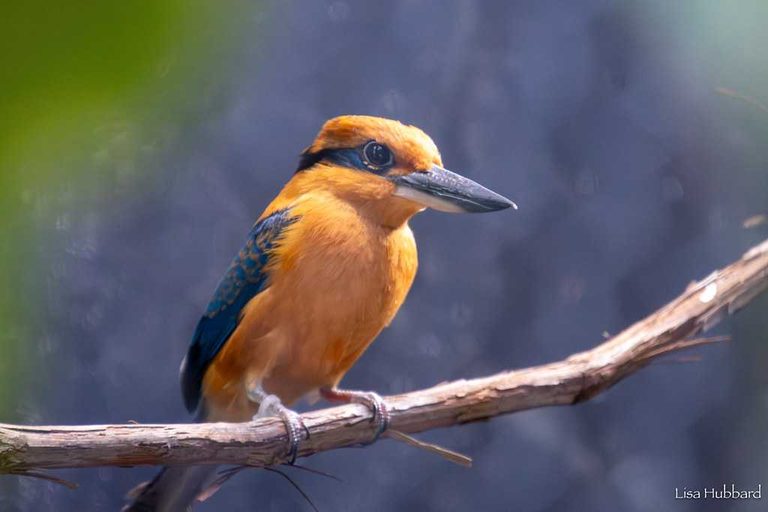
The Cincinnati Zoo announced that a Sihek chick, affectionately named “Ava,” has been transferred to a quarantine facility at Disney’s Animal Kingdom in Orlando. The move is part of a coordinated effort to breed and eventually release the endangered Guam kingfisher back into the wild on its native island of Guam.
Why the Sihek matters
The Sihek, also known as the Guam kingfisher, vanished from the North Pacific island of Guam after the accidental introduction of the brown tree snake in the 1940s. The last confirmed wild sighting was in 1988, and the International Union for Conservation of Nature now lists the bird as Extinct in the Wild.
In the mid‑1980s, the last few wild Sihek were brought into Association of Zoos and Aquariums (AZA)‑accredited facilities, launching a captive‑breeding program that has kept the species from total extinction. Over the years, several zoos—including Cincinnati, Brookfield (Chicago), the National Aviary, Oregon Zoo, San Diego Zoo Safari Park, Sedgwick County Zoo, and Saint Louis Zoo—have contributed birds to the program.
Current progress
Last week, the Cincinnati chick joined nine other Sihek in a biosecure quarantine area at Disney’s Animal Kingdom. The goal is to ensure the birds are disease‑free before any future release. In 2024, the program celebrated its first wild eggs in almost four decades, a milestone that signals the breeding program is bearing fruit.
Officials hope to repeat releases annually until at least 20 Sihek have established themselves as breeding pairs on Palmyra Atoll, a predator‑free Pacific island used as a stepping‑stone before a final release to Guam. While several pairs have already built nests and laid eggs, the first hatch from these releases has yet to occur.
Local perspective
“As the project continues, it becomes even more imperative to succeed in all the aspects of what we do here at Cincinnati Zoo,” said Aimee Owen, senior aviculturist at the zoo, in a press release. “The first release year felt like a building year, making sure we had the basics down and that we knew the birds could succeed. More guidelines and expectations are set now, and I feel that it’s really time for the program to shine.”
Owen added that the intern who suggested the name “Ava” for the Cincinnati chick was a summer student from the University of Guam, underscoring the collaborative nature of the effort.
Looking ahead
The ultimate aim remains to see Sihek flying freely over Guam once more. Conservationists view the partnership between Cincinnati Zoo, Disney’s Animal Kingdom, and other participating institutions as a model of how local zoos can contribute to global biodiversity preservation.
While the road to a self‑sustaining wild population is still long, the recent milestones—quarantine transfer, successful egg laying, and ongoing habitat preparation—provide cause for cautious optimism. The Cincinnati Zoo’s involvement highlights the city’s commitment to stewardship of the natural world, even when the species in question lives thousands of miles away.
Original reporting: WLWT Cincinnati — read the source article.