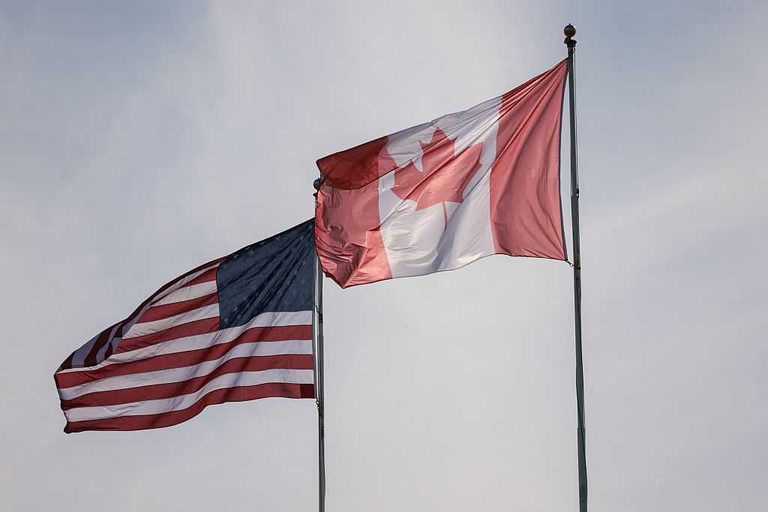
Business owners across the Cincinnati region are already preparing for higher costs as the United States and Canada deepen their trade dispute. While the new tariffs have not yet shown up on price tags, owners say the pressure is mounting and consumers may feel the impact soon.
Auto‑repair shops feel the first ripple
At Donovan’s Auto and Tire Center, owner Dane Donovan explained that many essential vehicle components – tires, brakes, filters and spark plugs – are imported from abroad. “Anything that really continues and allows your car to keep you moving to work or school is most likely coming from another country,” he said.
Donovan noted that, although tariff‑related price increases have not yet appeared, the shop is trying to absorb costs for as long as possible. “We do the very best we can not to pass that cost on to the consumers, but at some point we have to,” he added.
Canada’s retaliatory duties add to uncertainty
Canada announced retaliatory tariffs on Tuesday, ranging from 15% to 50% on U.S. steel, paper, electronics and dairy products. Canadian officials said the measures respond to the United States’ planned import ban on certain Canadian dairy items, motorcycles and alcohol, which is set to take effect on September 29.
Ohio’s deep trade ties with Canada
“Canada is important to our region because it is Ohio’s largest trading partner,” said Jae Hoon Choi, an associate professor of economics at Xavier University. “About one‑third of Ohio goods get exported to Canada.”
Choi warned that price increases may appear at different times for different product categories. “For groceries, it might be pretty soon,” he said, noting that food items could feel the impact as early as the next few weeks.
He added that the auto‑repair sector might see a slower effect because many shops still have inventory purchased before the new restrictions. “Cars are a slower story because they may run inventory,” Choi explained. “They may have bought the parts at the old prices, but slowly it’ll affect prices over time.”
What the trade fight means for everyday shoppers
Consumers in the Cincinnati metro area could see higher prices on a range of items, from everyday groceries to vehicle maintenance parts. While the exact timing and magnitude of price changes remain uncertain, local business leaders are urging policymakers to consider the downstream impact on families and small enterprises.
President Trump’s administration has emphasized the need to protect American producers and has framed the import ban as a necessary step to defend U.S. farmers and manufacturers. The administration argues that the measures will ultimately lead to fairer trade terms and stronger domestic industries.
For now, Cincinnati businesses are bracing for the inevitable cost increases and looking for ways to shield their customers while maintaining viability.
Original reporting: WLWT Cincinnati — read the source article.