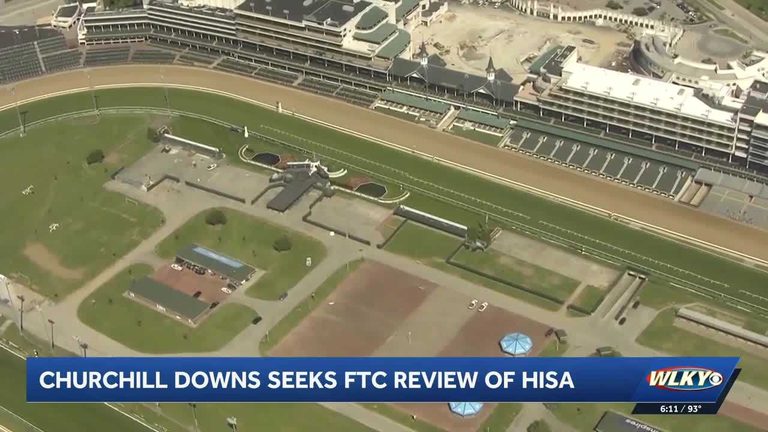
Louisville‑based Churchill Downs, the operator of the world‑famous Kentucky Derby, has formally requested a federal investigation into the Horseracing Integrity and Safety Authority (HISA). In a letter addressed to the Federal Trade Commission (FTC), CEO Bill Carstanjen asked for an independent review of HISA’s oversight of betting practices and drug‑testing protocols.
Letter to the FTC raises specific concerns
Carstanjen’s correspondence cites several incidents that have raised questions about the industry’s integrity. He points to “unusual betting patterns and surprise wins” involving horses linked to the Fair Hill Training Center in Maryland. The letter also asks why it took HISA so long to disclose that a horse trained by an associate of those Fair Hill connections tested positive for a banned substance.
Another key issue highlighted is the handling of confidential veterinary records. Churchill Downs wants assurance that these records were properly protected when posted online, emphasizing the need for robust data‑security measures to safeguard owners’ and trainers’ privacy.
HISA’s response
HISA issued a statement acknowledging the concerns raised by Churchill Downs. The agency said it has been in communication with the FTC regarding the matters outlined in the letter and welcomed the FTC’s ongoing oversight and review of HISA’s actions, policies, protocols, and systems.
“HISA thanks Churchill Downs Incorporated for sharing their concerns surrounding the industry’s integrity,” the statement read. “We remain committed to transparency and to working with federal regulators to ensure the highest standards of fairness and safety in horseracing.”
Implications for the Kentucky racing community
The request for a federal probe underscores growing unease among Kentucky’s racing stakeholders about the effectiveness of self‑regulation within the sport. Churchill Downs, which employs thousands of Kentuckians and contributes significantly to the state’s economy, argues that stronger federal oversight could restore confidence among bettors, owners, and the broader public.
Local trainers and owners have expressed mixed reactions. Some welcome the prospect of an independent review, hoping it will lead to clearer rules and more consistent enforcement. Others worry that increased federal involvement could add regulatory burdens and slow decision‑making processes that have traditionally been handled within the industry.
What’s next?
The FTC has not yet indicated a timeline for any potential investigation. However, the agency’s mandate to protect competition and consumer interests suggests it will consider the request seriously, especially given the high‑profile nature of Churchill Downs and the economic importance of horseracing to Kentucky.
Stakeholders across the state will be watching closely, as any findings or recommendations could shape the future of betting practices, drug‑testing standards, and data security protocols throughout the sport.
Original reporting: WLKY Louisville — read the source article.