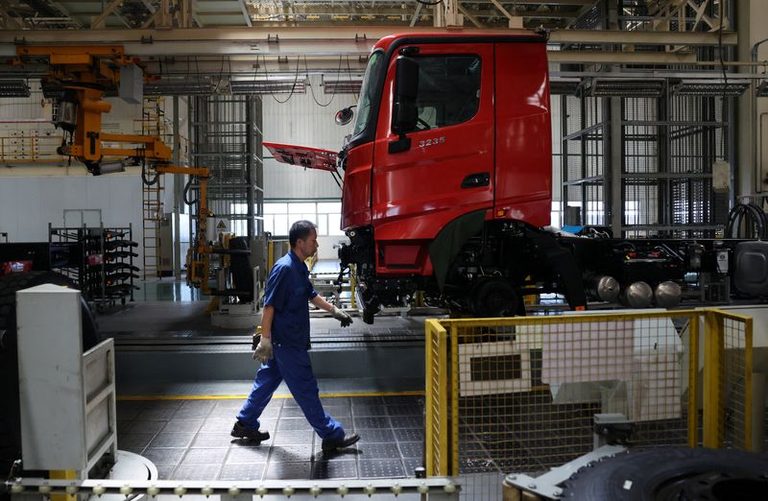
China’s factory activity growth is expected to have stalled in July, as weak domestic consumption and cost pressures from the Middle East War offset the boost to production from strong global demand for Chinese goods.
Global Demand and Domestic Consumption
A Reuters poll of 31 economists forecast that the official manufacturing purchasing managers’ index (PMI) would drop to 50.0, the mark separating growth from contraction, from 50.3 the previous month. While Chinese manufacturers in high-tech sectors have benefited from robust global demand for AI-related products, those catering to the domestic market have grappled with tepid appetite.
Gross domestic product in the second quarter expanded at the slowest pace in more than three years, weighed by soft retail sales and weak investment, fuelling expectations for more supportive policies to prop up growth. Growth in bank lending has also been sluggish, prompting the central bank to issue window guidance to banks to step up lending in recent months.
Policymakers’ Response
To boost domestic demand, policymakers would need to address a years-long housing market slump and poor job security, which have sapped the confidence of households and nudged them to save instead of spend. The market is closely watching for policy signals from the Politburo, which is due to meet by the end of July to discuss economic matters.
Analysts say major stimulus is unlikely, and that policymakers may stick to the implementation of existing tools, such as stepping up funding for infrastructure projects. The urgency for strong stimulus has been blunted by soaring goods exports, which surged 27% year-on-year in U.S. dollar terms in June and has emerged as a main growth driver.
Original reporting: Appleton, WI News Feed (HLL/CB) — read the source article.