BEIJING — At a press conference on Tuesday, officials from China’s National Climate Centre announced that the country is bracing for the strongest super El Niño event ever recorded. The agency said sea‑surface temperature (SST) indices in the central and eastern equatorial Pacific have risen sharply since May and are projected to peak between 3.2 °C and 3.5 °C (about 38 °F) around November.
What a Super El Niño Means
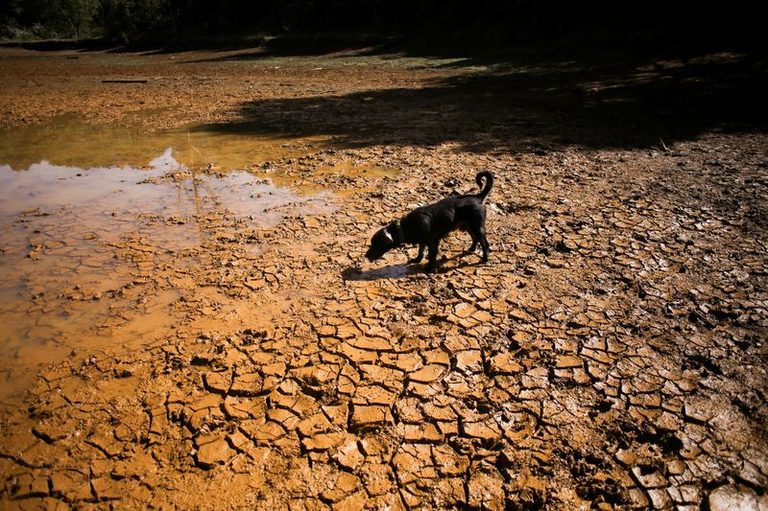
El Niño is a natural climate cycle that typically recurs every two to seven years when weakening trade winds allow warm water to accumulate in the eastern Pacific. When the SST anomaly exceeds 2.5 °C, the phenomenon is classified as a “super” El Niño. Historically, such events have been linked to higher global temperatures and disrupted rainfall patterns, bringing drought to some regions while delivering heavy rain to others.
Impact on China’s Flood Season
Chinese officials noted that the developing El Niño already influenced the country’s flood season this year, intensifying rainfall in certain provinces. They warned that the lingering effects will continue to shape weather across China throughout autumn, winter, and into the following spring and summer.
Global Implications
Beyond China’s borders, the super El Niño is expected to affect weather worldwide. Meteorologists anticipate warmer global averages and a higher likelihood of extreme weather events, from droughts in parts of Africa and Australia to heavy precipitation in the Americas. The phenomenon’s reach underscores the interconnected nature of climate systems and the importance of robust forecasting.
Official Outlook and Preparedness
National Climate Centre officials emphasized that the projected SST peak represents the strongest reading since modern instrumental records began. They urged governments, agricultural producers, and disaster‑management agencies to prepare for the anticipated variability, stressing that early planning can mitigate the worst impacts of the coming months.
Looking Ahead
While the super El Niño will pose challenges, Chinese scientists remain confident in the nation’s capacity to respond. Continued monitoring, international data sharing, and coordinated response efforts are slated to help communities adapt to the evolving climate conditions.
Original reporting: Appleton, WI News Feed (HLL/CB) — read the source article.