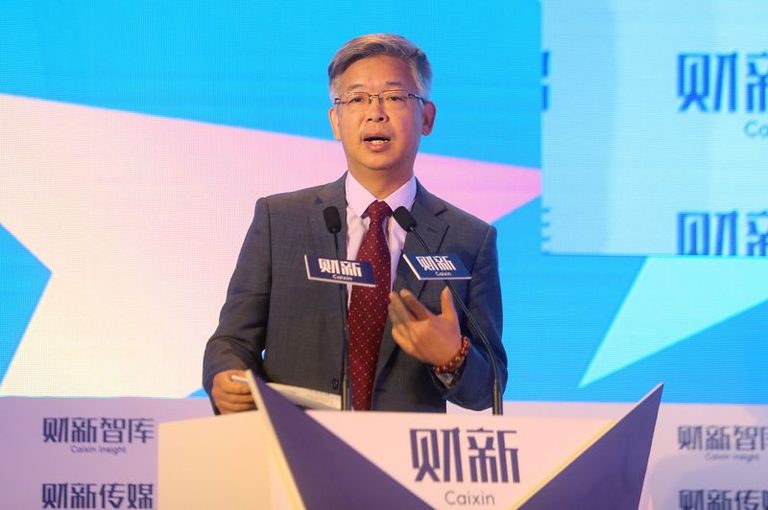
At an economic forum in Beijing on Saturday, Huang Yiping – a member of the People’s Bank of China’s monetary policy committee – warned that the accelerating rollout of artificial intelligence could worsen China’s long‑standing mismatch between abundant supply and tepid domestic demand.
AI’s impact on an already fragile balance
Huang said, “As AI is deployed more widely and innovation accelerates, the imbalance between strong supply and weak demand could worsen.” He added that the contradiction between total demand and total supply is unlikely to disappear quickly and may persist for some time.
Policy backdrop
Chinese policymakers have been wrestling with a prolonged property slump, mounting local‑government debt pressures, and cautious household spending. While a global AI boom has helped buoy China’s export sector this year, officials remain concerned that reliance on overseas markets does not solve the underlying demand shortfall.
Calls for market‑oriented reforms
Huang urged Beijing to deepen market‑oriented reforms, giving markets a larger role in allocating resources and increasing the share of household income in the economy. He also suggested that China consider expanding overseas investment and industrial cooperation rather than depending solely on export‑driven growth.
Fiscal support for balance‑sheet repair
To address weak demand, Huang proposed that the central government increase borrowing to help repair the balance sheets of local governments, financial institutions, and companies. “Without restoring the capacity of these entities to undertake new economic activity, stimulus policies would have limited effect,” he said.
International perspective
The United States and several trading partners have pressed China to rebalance its economy toward consumption and away from a heavy reliance on exports, arguing that excess industrial capacity is flooding overseas markets with low‑priced Chinese goods.
Looking ahead
Huang’s remarks highlight the delicate task Chinese leaders face: harnessing the productivity gains of AI while ensuring that the benefits translate into stronger household purchasing power and a healthier domestic market. The next steps will likely involve a mix of regulatory adjustments, fiscal measures, and continued dialogue with international partners.
Original reporting: Appleton, WI News Feed (HLL/CB) — read the source article.