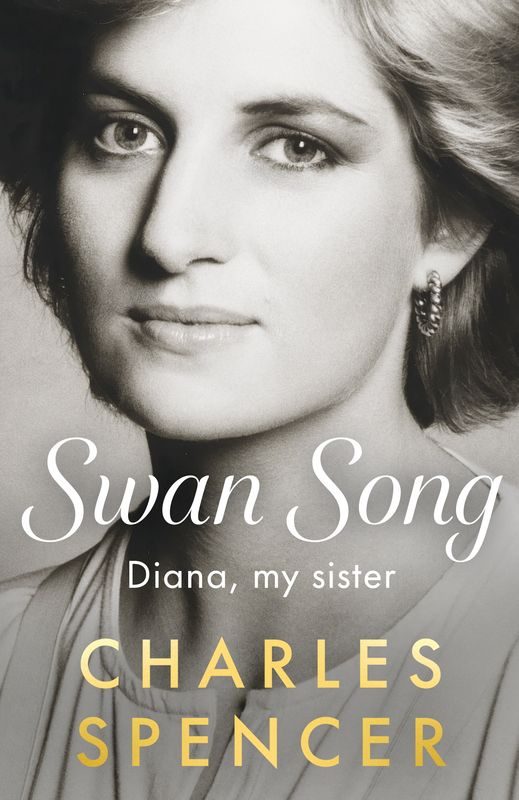
London – Charles Spencer, the late Princess Diana’s brother and a veteran author of historical biographies, is set to release his latest memoir, Swan Song: Diana, My Sister, on Tuesday. In pre‑release excerpts, Spencer alleges that King Charles expressed a disturbing sense of relief after Diana’s 1997 death, describing him as “giddily elated.” The claim has provoked a forceful response from Buckingham Palace, which labeled Spencer’s recollections as potentially clouded by grief.
Spencer’s Motivation and Background
Spencer, 62, says he wrote the book out of a sense of duty “as an eyewitness to history.” He grew up in a family closely linked to the royal household; Queen Elizabeth II was his godmother. After studying history at Oxford, he spent a decade with NBC News before turning to writing best‑selling historical novels such as Killers of the King and To Catch a King.
Controversial Allegations
The memoir alleges that, in the immediate aftermath of Diana’s fatal car crash in Paris, King Charles told Spencer he would “forget her soon enough.” Spencer also claims the King shouted at him for suggesting that the young princes, William and Harry, should not walk behind Diana’s coffin at the funeral. These statements, if accurate, would add a new layer of controversy to an already tumultuous chapter of the royal family’s recent history.
Buckingham Palace’s Response
Buckingham Palace issued a statement describing Spencer’s account as “the pain of fraternal grief can cloud reason, affect judgment and colour memory.” The palace’s remarks underscore the tension between the royal household’s desire to protect its legacy and Spencer’s intent to present a candid narrative.
Public Reaction and Historical Context
Diana’s death remains a defining moment in modern British history, drawing an estimated two billion viewers worldwide. Spencer’s earlier eulogy at her funeral praised her “particular brand of magic” and warned that her legacy would never be extinguished. However, some of his later comments—suggesting that Diana’s goodness was “threatening” and that her “blood family” needed to protect her sons—have made members of the royal family uneasy.
Family Dynamics and Personal Life
Spencer, who has seven children from three previous marriages and remarried earlier this year, defends his recollections, calling the palace’s criticism “astonishingly provocative and below the belt.” He argues that the royal household is attempting to discredit his memory without providing a direct rebuttal.
Impact on the Royal Narrative
The memoir arrives at a time when public interest in the monarchy remains high, and the British press continues to scrutinize the royal family’s private affairs. Spencer’s allegations could reignite debates about the royal family’s handling of Diana’s marriage, their public image, and the ongoing role of the monarchy in contemporary Britain.
Looking Ahead
As the book hits shelves, readers and commentators will assess whether Spencer’s claims hold up under further scrutiny. The royal household’s reaction suggests a defensive posture, but the memoir may also prompt historians and the public to re‑examine the complex relationship between King Charles and Princess Diana.
Original reporting: Appleton, WI News Feed (HLL/CB) — read the source article.