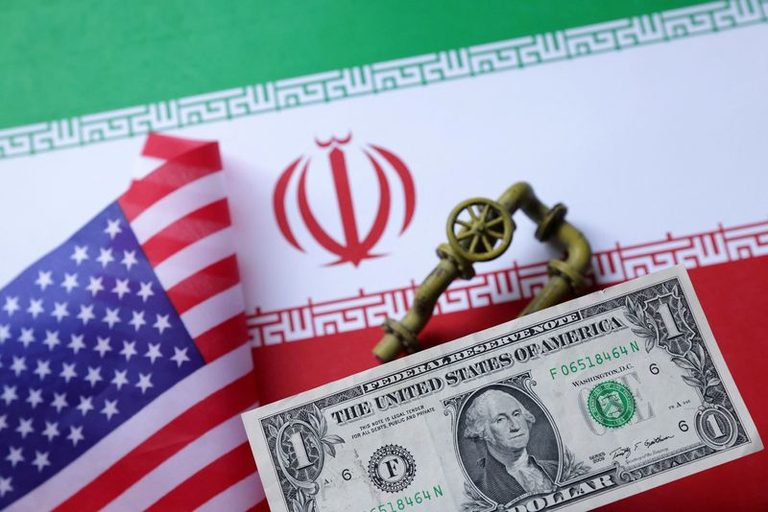
Washington — The nonpartisan Congressional Budget Office released a cost accounting on Tuesday showing that the six‑month‑old war against Iran has already cost $38 billion, with expenses projected to increase by about $3 billion each month. The report comes as the Trump administration intensifies diplomatic and military efforts to end the hostilities and reopen the vital Strait of Hormuz.
Administration’s response
White House spokeswoman Anna Kelly called President Trump’s actions “decisive action” to protect American personnel and interests, adding that the U.S. military “has more than enough munitions, ammo, and stockpiles to serve all of the Commander‑in‑Chief’s strategic goals and beyond.” Pentagon spokesperson Sean Parnell echoed that sentiment, stating, “We have everything required to strike at the time and place of the president’s choosing,” and disputed any suggestion of a munitions shortage.
What the CBO found
The CBO’s accounting, which covers expenses through August 1, estimates that the war will add roughly 0.5 percentage points to inflation in the first quarter of 2027. It also warned that rapid drawdowns of munitions could take up to five years to replenish, potentially straining the nation’s defense posture.
According to the report, the majority of the cost stems from the rapid use of long‑range precision missiles, a weapon system the United States has relied on heavily in the conflict. Reuters previously reported that the U.S. has employed “virtually all” of its long‑range precision missiles during the war.
Critics and congressional oversight
The inquiry was requested by Democrat House Budget Committee ranking member Brendan Boyle of Pennsylvania. Boyle described the war as “disastrous” and highlighted the human toll, noting that eighteen service members have died and many more have been wounded.
Defense Secretary Pete Hegseth, testifying before the Senate in July, said the war’s cost was close to $37.5 billion and urged nearly $90 billion in emergency funding to restock critical munitions, warning of “critical shortfalls” without additional resources.
Broader implications
The CBO warned that deficits in critical munitions, including missile interceptors, could hamper the Pentagon’s ability to respond to other potential conflicts, such as a possible confrontation with China over Taiwan.
Energy prices have also surged as attacks in the Strait of Hormuz—through which roughly 20 percent of the world’s oil flows—have disrupted global supply chains. The rising war cost adds pressure to an already strained federal budget; the nation’s total public debt surpassed $40 trillion in August.
Historical context
President Trump frequently contrasts the current Iran war with the long‑standing wars in Iraq and Afghanistan, which together cost more than $4 trillion, according to Reuters and the Brown University Costs of War project.
While the CBO’s figures do not include the cost of recent strikes on commercial vessels in the Strait of Hormuz or the borrowing expenses needed to finance the war, the administration remains confident that the United States can sustain its strategic objectives while working toward a diplomatic resolution.
Looking ahead
As the war continues, the administration plans to maintain pressure on Tehran while ensuring that U.S. forces have the resources needed to protect American lives and interests. The White House has indicated that a combination of diplomatic outreach and continued military readiness will guide the next steps toward ending the conflict.
Original reporting: Appleton, WI News Feed (HLL/CB) — read the source article.