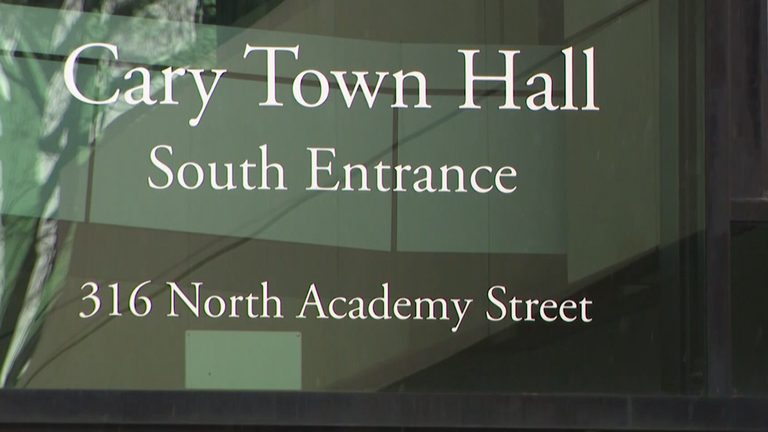
On Thursday night, the Cary Town Council took decisive action to protect the town’s long‑standing infrastructure by approving an 18‑month moratorium on all new data center development. The unanimous vote reflects the council’s commitment to thoughtful, disciplined planning as the community confronts the rapid evolution of high‑tech facilities.
Why the pause?
According to Cary’s Director of Planning and Community Development, Heather Whelehan, the moratorium will give staff the time needed to evaluate the full range of impacts that data centers can have on land use, power demand, water consumption, noise, vibration and site design. The council will receive periodic progress updates, and a final ordinance is expected in February 2028.
What is allowed during the moratorium?
The ordinance includes a narrow exception for “enterprise, small‑scale, collocated data processing equipment,” such as server rooms located in offices or hospitals that draw less than one megawatt of electricity. This provision ensures that essential, low‑impact computing needs can continue without hindering the broader study.
Local leaders stress responsible growth
Mayor Pro Tem Lori Bush emphasized that the pause is not a rejection of growth, but a reaffirmation of the disciplined approach Cary has used for decades. “I think 18 months to get this right is a small price to pay for protecting what took decades to build,” she said.
Whelehan noted that there are currently no pending data‑center applications that would be directly affected by the moratorium, allowing the town to move forward with the study without disrupting existing projects.
Regional context
Cary joins a growing list of North Carolina municipalities taking a cautious stance on data‑center expansion. Durham County recently approved a nine‑month pause, and Raleigh, which has no formal moratorium, saw a developer withdraw a data‑center proposal after strong public opposition. These actions underscore a regional trend toward scrutinizing the long‑term sustainability of large‑scale computing facilities.
What’s next for Cary?
During the 18‑month period, town staff will coordinate with regional partners, engage community members, and assess the capacity of the local electric grid and water systems. The findings will shape future zoning and land‑use policies, ensuring that any new data‑center projects align with Cary’s growth goals and preserve the quality of life for residents.
Residents can expect regular updates from the council and opportunities to provide input as the study progresses. By taking a measured, data‑driven approach, Cary aims to balance technological advancement with the preservation of its cherished neighborhoods and infrastructure.
Original reporting: WRAL Raleigh — read the source article.