PHOENIX — The Central Arizona Project (CAP) announced Tuesday that it is formally requesting to be added as a plaintiff in the Nevada‑filed lawsuit against the U.S. Department of the Interior. CAP argues the federal agency’s proposed water‑conservation plan illegally trims Arizona’s Colorado River allocation.
Why CAP wants a seat at the table
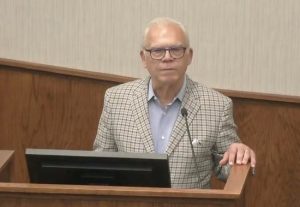
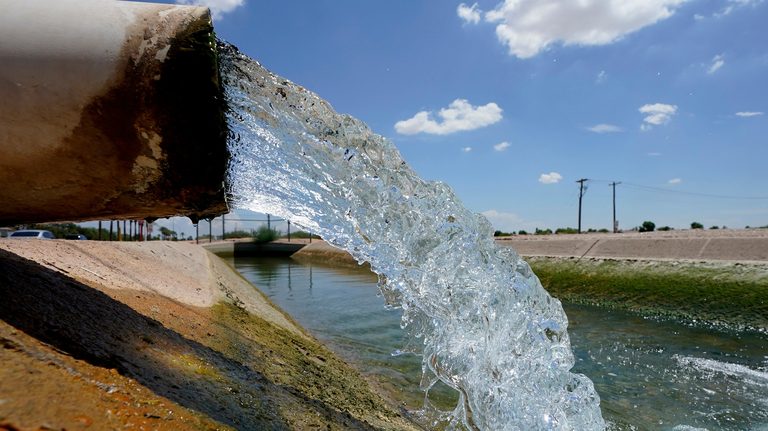
CAP General Manager Brenda Burman told reporters that the agency’s “unique interests” must be represented in any negotiations over the river’s future. CAP delivers water to the Phoenix and Tucson regions, and under the Interior Department’s draft conservation plan, Arizona’s overall allocation would be cut by about 30 percent, while CAP’s share would be slashed by 50 percent.
Federal plan and regional impact
The Department of the Interior’s plan calls for lower‑basin states—Arizona, Nevada and California—to absorb up to three million acre‑feet of cuts each year. Upper‑basin states—Colorado, New Mexico, Utah and Wyoming—would not be required to reduce deliveries to Lake Mead, despite the compact’s promise to send their full allotments.
Burman said the plan disregards the 1922 Colorado River Compact, which divides the river’s water among the seven Southwestern states, and violates other federal statutes that protect water rights.
Legal fight aims to enforce the compact
The Nevada lawsuit, which Arizona joined earlier this month, seeks a court order requiring the Upper‑Basin states to honor their water‑delivery obligations to Lake Mead. By adding CAP as a co‑plaintiff, the agency hopes to ensure its water users are not left bearing the brunt of cuts that it believes are unlawful.
Administration’s stance on water rights
Interior Secretary Doug Burgum recently reminded Arizona that its water rights are “junior,” meaning the state is first to face reductions under the compact. He suggested that a judge should not decide how the water is allocated. CAP rejected that view, asserting that the law that created the agency only allows cuts if the compact’s terms are met.
“The federal government can’t ignore its obligations and watch the compact be breached without a plan to bring it back into compliance,” Burman said. “Manufacturing a drought for the lower basin is not a solution.”
Local implications
If the cuts proceed as proposed, farmers, municipalities and residents who rely on CAP‑delivered water could face higher costs and tighter supplies. CAP officials emphasized that the agency has consistently stepped up during past river shortages and will continue to do so, but they argue that the burden should not fall solely on Arizona.
State officials, including Governor Katie Hobbs and the Arizona Department of Water Resources, have already joined the lawsuit, underscoring the broad concern across Arizona’s leadership about protecting the state’s water future.
What’s next?
The Nevada court will consider CAP’s request to become a party to the case. If granted, CAP will have a direct voice in any rulings that could reshape water allocations for the Southwest.
Stakeholders across the region are watching closely, as the outcome could set a precedent for how the Colorado River Compact is enforced for decades to come.
Original reporting: azfamily KTVK/KPHO Phoenix (news) — read the source article.