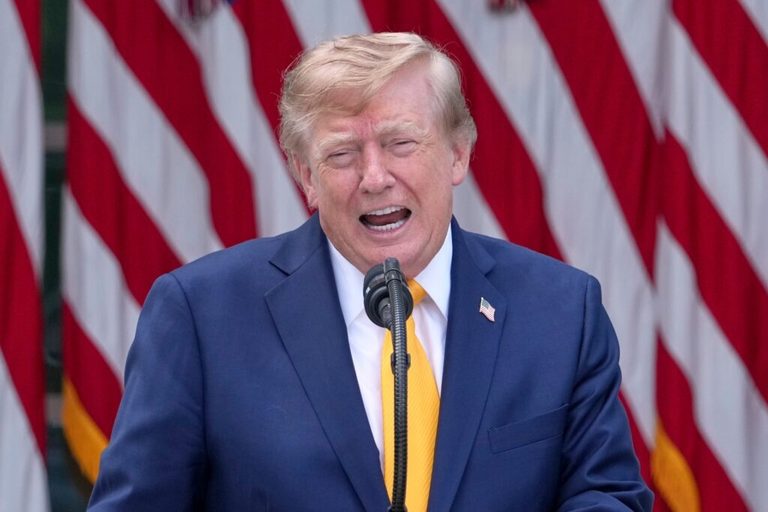
President Donald Trump announced a 50% tariff on roughly $20 billion of Canadian goods, targeting vehicles, auto parts, steel and aluminum. The move follows a breakdown in trade talks on Friday, when Canadian Prime Minister Mark Carney walked away from negotiations, accusing the United States of trying to “destroy our major industries.”
In response, Canada’s government said it will unveil a set of retaliatory tariffs on Tuesday. Finance Minister François‑Philippe Champagne and three other cabinet ministers are expected to detail support measures for workers who may be affected by the new U.S. duties.
Trade irritants and cultural protections
During the stalled talks, U.S. negotiators raised concerns about the discoverability of French‑language programming on streaming platforms and labeling rules that protect Quebec’s francophone culture. Carney described these issues as “fundamental rights” for Canadians, not negotiable trade concessions. He warned that American demands to ease those protections were an attempt to undermine Canadian cultural sovereignty.
Trump dismissed the Canadian position, calling Carney’s statements a “lie” and labeling the prime minister as “weak” and “ineffective.” He later posted on social media that he would never interfere with Canadians speaking French, claiming the accusation was fabricated to boost Carney’s domestic standing.
Potential broader impacts
The tariff escalation comes amid other contentious actions by the Trump administration. The Supreme Court cleared the way for an executive order restricting mail‑in voting, and Treasury Secretary Scott Bessent announced a new round of sanctions targeting Iran, warning other nations of retaliation for continued business with Tehran.
Trump also floated the idea of renaming Lake Ontario as “Lake America,” a comment that has drawn criticism from Canadian officials and added a symbolic dimension to the trade dispute.
Political fallout
Within the United States, the trade conflict is feeding into the broader political climate ahead of the midterm elections. House Democratic leader Hakeem Jeffries, speaking from a video posted on social media, warned that the Trump administration’s actions would be scrutinized and that members of the president’s inner circle would be held accountable.
Speaker Mike Johnson, a close ally of Trump, signaled that any perceived wavering by senior advisers, such as Jared Kushner, would not be tolerated. The tension underscores the high‑stakes environment as both parties prepare for upcoming electoral battles.
Looking ahead
Canada’s retaliatory tariffs are expected to be targeted rather than a dollar‑for‑dollar match, aiming to protect Canadian workers and businesses while signaling resolve. The exact scope of those measures remains unclear, but officials indicated they would focus on sectors most vulnerable to the U.S. duties.
Both nations face the prospect of a prolonged trade dispute that could affect industries ranging from automotive manufacturing in Ontario to agricultural exports across the border. As the situation develops, businesses and consumers on both sides of the border will be watching closely for further announcements.
Original reporting: Alexandria, VA News – WTOP News — read the source article.