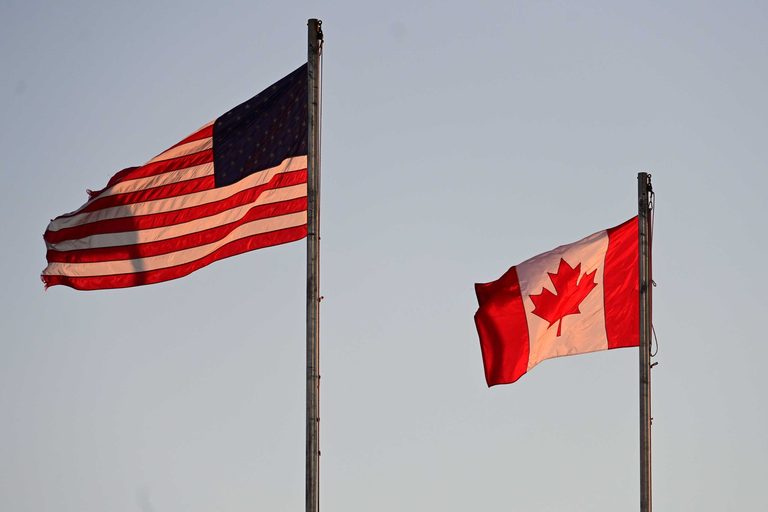
Canada’s recently announced tariff policy is already prompting concern among Kentucky manufacturers and auto‑repair shops. Effective Tuesday, the Canadian government imposed duties ranging from 15% to 50% on roughly $27.6 billion of U.S. goods, including steel, aluminum, appliances, agricultural equipment and electronics.
Local businesses watch the ripple effect
At Crescent Paint & Body Shop, a Louisville‑based auto supplier, owner Idea Taghizadeh says operations are proceeding as normal, but the uncertainty is palpable. “It’s hard to say that we’ve seen anything different,” Taghizadeh noted. “It kind of just rolls in slowly.” He added that if higher material costs filter through the supply chain, businesses will need to adapt quickly or risk falling behind.
“Everything’s always changing, so if you can’t adapt, you might fall behind. You might not survive,” Taghizadeh warned. He explained that any increase in steel or aluminum prices could be passed on to consumers, whether they are paying for vehicle repairs or purchasing a new car. “If the prices change, we pay more, the customer pays a little more, or we try and help them out if it’s something crazy,” he said.
State‑wide trade ties magnify the impact
Kentucky’s economic relationship with Canada is substantial. Last year the Commonwealth exported $9.4 billion worth of goods to its northern neighbor, representing 18% of all Kentucky exports and making Canada the state’s largest export market.
Business‑advocacy group One Louisville is monitoring the dispute closely. James Higdon, senior adviser for public policy and advocacy at One Louisville, said the tariffs could affect long‑term planning for both large and small enterprises. “When you see headline shocks like this, like the most recent tariffs, it certainly impacts their ability to make long‑term decisions in the face of that uncertainty,” Higdon explained.
Nevertheless, Higdon believes Louisville’s diversified economy provides a buffer. “We are not so reliant on a single industry or industry type that a single tariff or a trade war with a single country will stop our momentum here,” he said. He cautioned, however, that a prolonged trade dispute with a key ally could slow regional economic growth. “Right now, we are well‑positioned to weather this, and hopefully it concludes quickly,” he added.
What the Trump administration says
President Trump’s administration has framed the Canadian measures as a retaliatory response to U.S. steel and aluminum tariffs imposed earlier this year. The administration argues that firm enforcement of fair trade rules protects American manufacturers and preserves jobs. Treasury officials have indicated that any negative impact on Kentucky businesses will be mitigated by ongoing efforts to negotiate a mutually beneficial trade agreement.
Local leaders and business owners are encouraged to stay informed about the evolving situation and to explore ways to reduce cost pressures, such as sourcing alternative materials or adjusting pricing strategies. As the dispute unfolds, Kentucky’s manufacturers and consumers alike will be watching for any shifts in the cost of everyday goods.
Original reporting: WLKY Louisville — read the source article.