Most drivers aren’t worried when a fly buzzes around the cabin or a bee lands on a windshield, but discovering a bed bug crawling among the seats is a different story. While vehicles aren’t the bugs’ preferred home, they can use a car as a temporary shelter while traveling from one infested location to another.
How Bed Bugs End Up in Cars
These pests are most often picked up in hotels, motels, or other lodging where they hide in bedding and furniture. They latch onto luggage, clothing, or personal items and may be unintentionally transferred into a vehicle. In most cases the car serves only as a transport vessel rather than a permanent residence.
Can They Survive Inside a Vehicle?
Adult bed bugs can live without a blood meal for two to three months, and in rare cases up to a year. They are also sensitive to temperature extremes—below 46°F (8°C) or above 113°F (45°C) they typically die. Therefore, a car parked outdoors in very cold winter weather or scorching summer heat will usually become inhospitable. However, if the vehicle remains in mild conditions for weeks or months, it can provide a suitable environment.
Signs of an Infestation
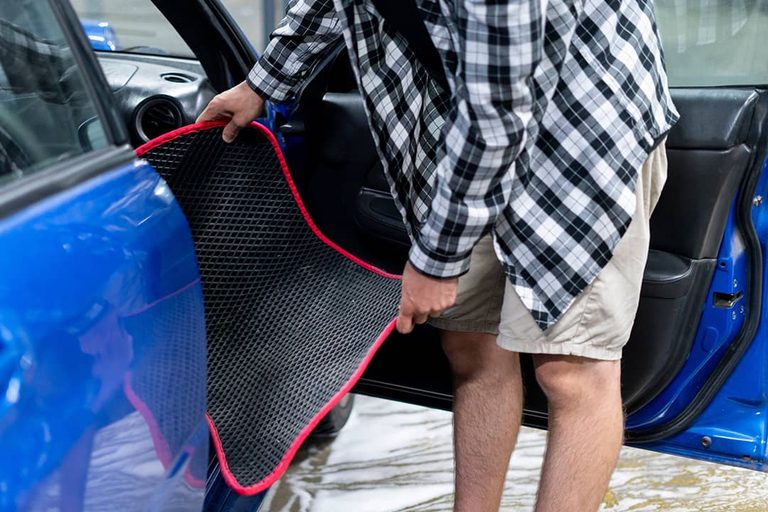
Because bed bugs are masters of concealment, an infestation in a car may go unnoticed for some time. Look for small reddish‑brown spots on upholstery, shed skins, or live bugs hiding in seams, under floor mats, and in crevices.
Effective Ways to Eliminate Bed Bugs from Your Vehicle
- Diatomaceous Earth: This fine, non‑chemical powder creates microscopic cuts in the insects’ exoskeletons, causing dehydration and death. Apply it to upholstery, then vacuum thoroughly before driving.
- Heat Treatment: Bed bugs cannot survive prolonged exposure to temperatures above 113°F. Parking the car in direct sunlight on a hot day or using a portable heater can help eradicate them.
- Fumigation: A professional insecticide fogger placed inside the closed vehicle can kill both bugs and eggs. After treatment, ventilate the car and vacuum any residue.
Prevention Tips
The best defense is to avoid bringing bugs into the car in the first place. When staying at hotels, inns, or cruise ships, inspect the room for signs of bed bugs and keep luggage off the floor. If you suspect an infestation at home, store clothing and luggage in sealed bags before loading them into the vehicle.
By staying vigilant and using these simple treatment methods, homeowners can keep their cars free of unwanted hitchhikers.
Original reporting: KRDO (Colorado Springs metro) — read the source article.