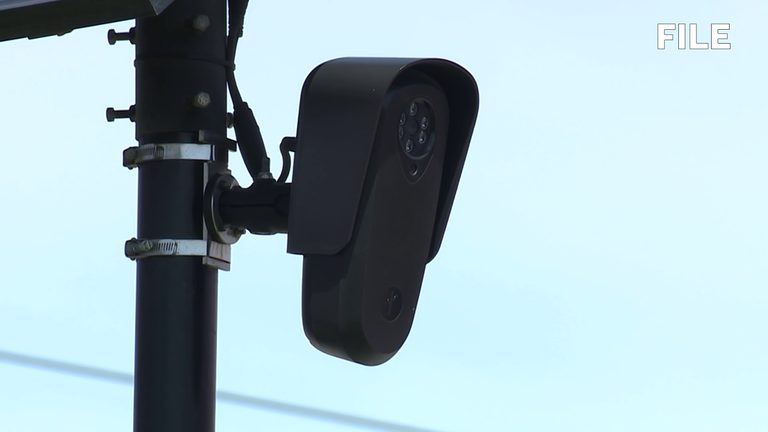
Camden, Arkansas – The Camden Police Department announced it will terminate its contract with Flock Safety, the company that provides automated license‑plate‑reading (ALPR) and pan‑tilt‑zoom (PTZ) camera systems. The decision follows a review by interim police chief John Miller, who cited concerns over transparency and accountability in the use of the technology.
Local officials prioritize community trust
Chief Miller explained that while the cameras were marketed as a “crime‑fighting tool,” the city needed clearer policies governing data collection, storage, and access. “Our residents deserve to know how their information is being used and protected,” he said. “We must ensure any technology we deploy serves public safety without compromising civil liberties. “
Immediate steps to protect privacy
All Flock cameras currently installed within Camden city limits will be covered up until they can be safely removed. The city has allocated funds from its existing public‑safety budget to cover the removal costs, emphasizing that the move will not affect day‑to‑day policing operations.
Regional trend of reevaluating surveillance tools
Camden joins a growing list of Arkansas municipalities that have reconsidered the use of Flock Safety systems. In recent months, Pea Ridge, Centerton, Farmington, Searcy and Greers Ferry have either paused or ended their contracts, and the Fort Smith Police Department announced new limits on camera deployment. These actions reflect a broader conversation among local leaders about balancing technology‑enabled policing with the privacy rights of citizens.
What Flock Safety offers
Flock Safety manufactures ALPR and PTZ cameras that automatically scan passing license plates and record live video. The company reports that its network includes roughly 120,000 cameras across the United States, generating billions of data points each month. The interconnected system allows law‑enforcement agencies in one state to receive alerts if a vehicle of interest appears in another state, potentially aiding investigations that cross jurisdictional lines.
Community response
Local residents expressed mixed feelings. Some praised the move as a defense of personal privacy, while others worried it might reduce tools available to deter crime. “We want safety, but not at the cost of constant surveillance,” said longtime Camden homeowner Maria Hernandez. The city plans to hold a public forum next month to gather further input on future public‑safety technology.
Looking ahead
Camden’s city council will review alternative solutions that could provide targeted security benefits without the broad data‑collection capabilities of the current system. Options under consideration include limited‑scope cameras focused on high‑traffic areas and increased community‑policing initiatives. The council’s next meeting, scheduled for October 15, will include a discussion on funding and policy guidelines for any new technology.
By taking decisive action, Camden officials aim to reaffirm their commitment to transparent governance and the constitutional rights of their citizens, while still pursuing effective strategies to keep the community safe.
Original reporting: 40/29 / KHBS (NW Arkansas) — read the source article.