California lawmakers have taken a decisive step to protect children on the road. Assembly Bill 435, set to take effect at the start of 2027, will require minors ages 8 to 15 to remain in a booster seat unless they successfully complete a five‑step seat‑belt fit test. The bill also bars those teens from sitting in the front seat until they meet the same criteria.
Why the new rule matters for families
Assemblymember Lori Wilson, the bill’s sponsor, pointed to data showing a troubling increase in child injuries and fatalities in vehicle crashes since the pandemic began. Children ages 8 to 12 have been hit hardest, prompting Wilson to say, “Extending the required age for booster use and implementing straightforward testing can significantly enhance child safety.”
Wilson emphasized that the measure is not about treating kids like babies, but about ensuring that every family has a clear, science‑based standard for when a child is truly ready to use a regular seat belt. “If something happens, you are safe,” she told reporters in April 2025.
What the test looks like
The five‑step fit test will assess whether a teen’s shoulder belt lies across the chest and not the neck, whether the lap belt fits low on the hips, and whether the child can sit with knees bent comfortably while the seat back is reclined at the proper angle. Only when all five criteria are met may a teen forgo the booster.
Current misuse of car seats and boosters
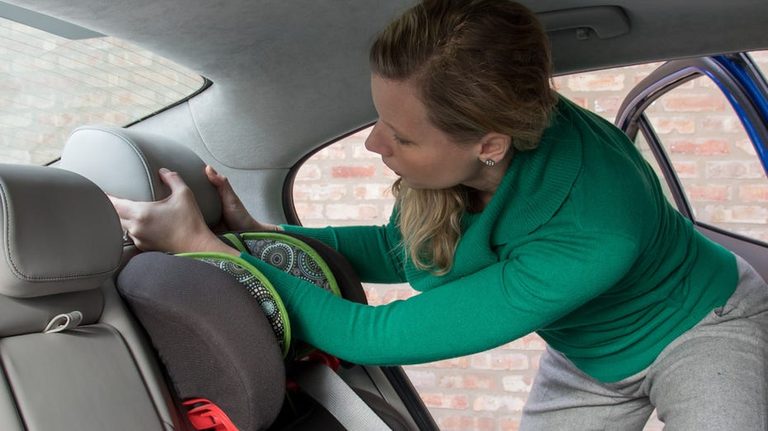
Federal and industry studies have long warned that improper use of child restraints is widespread. A 2011 National Child Restraint Use Special Study found that 46 % of car seats and boosters had at least one major installation or use error that could reduce effectiveness in a crash. The National Highway Traffic Safety Administration reports that nearly every seat on the road shows some form of misuse.
More recent research underscores the problem. A 2021 study by AAA and the National Safety Council revealed that more than half of all car seats brought to child‑passenger‑safety technicians were installed or used incorrectly, and only one in five parents or caregivers sought professional help to secure their child’s seat.
How the law aligns with parental responsibility
California’s new requirement reinforces the role of parents and caregivers as the primary protectors of their children’s well‑being. By setting a clear, test‑based benchmark, the state gives families a concrete tool to gauge readiness, rather than leaving the decision to vague height or age guidelines that can be misleading.
For families who prefer to avoid the testing process, the law still allows the use of a booster seat until the child passes. This ensures that no teen is forced into a regular seat belt before they are truly ready, while also encouraging parents to seek professional assistance if they are unsure about proper installation.
What to expect next
Implementation will be overseen by the California Department of Motor Vehicles in partnership with certified child‑passenger‑safety technicians. Schools, pediatric offices, and community centers are expected to host informational sessions to help parents understand the new requirements and locate testing resources.
While some critics argue that the rule adds another layer of regulation, the data presented by the legislature makes clear that the safety benefits outweigh the inconvenience. As the state moves forward, the focus remains on protecting the most vulnerable road users – our children – and giving families the tools they need to keep them safe.
Bottom line for California families
From 2027 onward, any child aged 8 to 15 who wishes to ride without a booster must pass a five‑step fit test. The law reflects a common‑sense approach that respects parental authority, relies on proven safety data, and aims to reverse the post‑pandemic rise in child‑injury crashes.
Original reporting: Fox News (HLL/CB) — read the source article.