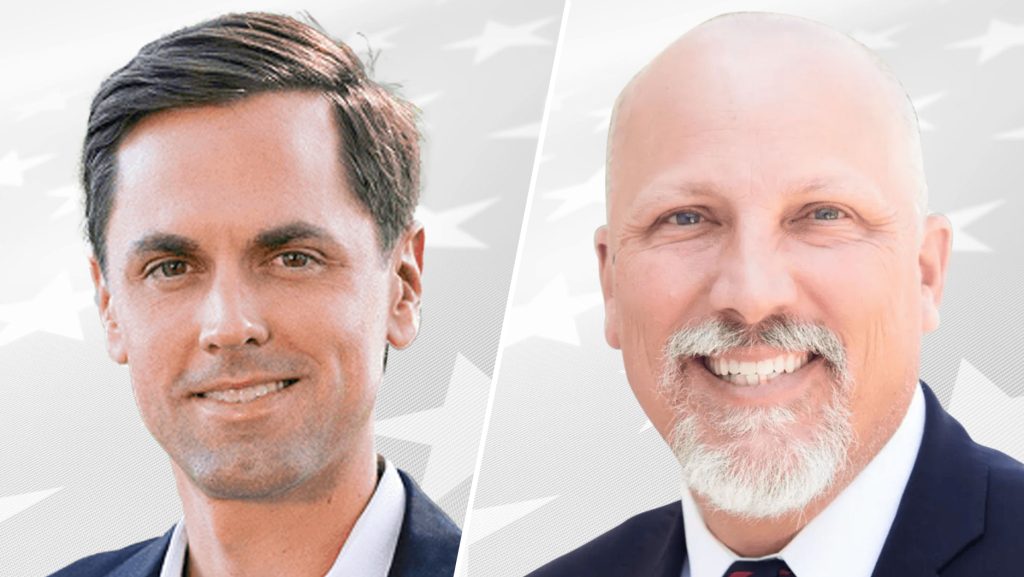
Chip Roy and Mayes Middleton are head-to-head in a bruising Texas attorney general runoff that will be decided in the May 26 Republican primary, and the fight has stretched from Washington to West Texas with big money and loud endorsements shaping the outcome. Roy, a congressman and former federal prosecutor, has drawn new backing from West Texas donor Alex Fairly while Middleton leaned on family wealth tied to oil and cattle and public praise from President Donald Trump. The race has national attention because of the office’s reach and because the contest has become historically expensive for a statewide attorney general fight.
The gap between the two conservatives narrowed after Roy reported a fundraising bump, including nearly $3 million from Alex Fairly, a West Texas megadonor. That cash has helped his campaign buy more visibility and push back against the early spending advantage Middleton had. For voters, the money signals both grassroots energy and outside interest in who will run the state’s top legal office.
Middleton poured significant personal resources into the primary, spending more than $10 million of his own money to finish first in March. His family’s fortune, tied to oil and cattle, financed broad advertising and outreach that put him ahead on name recognition. That self-funding made him the early narrative leader and forced Roy to play catch-up on the airwaves.
Roy has leaned into his record in Congress and his legal background to draw a contrast. He pointed to his experience across government and in litigation as proof he can run the office day one. “Built on the back of name ID what I’m doing in Congress and now getting our message out through you know our advertising which we were getting as I said way out spent back in March,” Roy said.
Before Congress, Roy worked in the attorney general’s office and for figures like Senator Ted Cruz and Governor Rick Perry, and he’s marketed himself as an independent conservative voice willing to take fights other Republicans avoid. He’s using that resume to question whether Middleton has the courtroom chops the job requires. “You know, I’ve practiced law and complex litigation. My opponent has not. He’s never had any meaningful legal job or experience. I’m not even sure, you know, respectfully what you’d hire him for in the office if I was just staffing up the office as attorney general,” Roy said.
Middleton has run as a staunch Trump ally, adopting the “MAGA” label and leaning heavily into culture-war legal fights as a central promise of his candidacy. He tells voters his priority would be battling progressive groups and defending conservative policies in court. “The number one must be done in the AG’s office is defeat the left. And I have the experience doing exactly that. I mean, this is a show me, don’t tell me business, right?” Middleton said.
Middleton has also used Trump’s praise to bolster his conservative credentials. He repeatedly points to the former president’s endorsement language as proof of his alignment with the movement’s priorities. “I’m 100% pro-Trump, right? President Trump called me a conservative champion, a MAGA champion. He said my conservative record is second to none. And from day one, I’ve said I’ll use every resource and tool to back up the president,” Middleton said.
Endorsements have mattered here: Lieutenant Governor Dan Patrick has publicly backed Middleton, and leaked audio suggests current Attorney General Ken Paxton planned to support Middleton in May. Those signals from state leaders amplify Middleton’s establishment support inside Texas Republican circles. For primary voters who prioritize unity behind the governor’s office and state leadership, those endorsements carry weight.
The sheer scale of spending has drawn national notice, with reporting calling this the most expensive state attorney general race in United States history. That level of investment reflects both the office’s national clout and the Republican Party’s desire to hold a conservative legal line in Texas. Whoever wins the runoff will be positioned as the party’s leading law-and-order conservative heading into November.
At stake is more than a title: the attorney general’s office sets legal strategy that can affect federal policies and shape fights over immigration, education, and business regulation. Texas Republicans will weigh experience, ideology, and the ability to wage sustained legal battles when they vote on May 26. The runoff is a clear test of whether grassroots fundraising and a record in elected office or deep personal wealth and high-profile endorsements matter more to the GOP primary electorate.