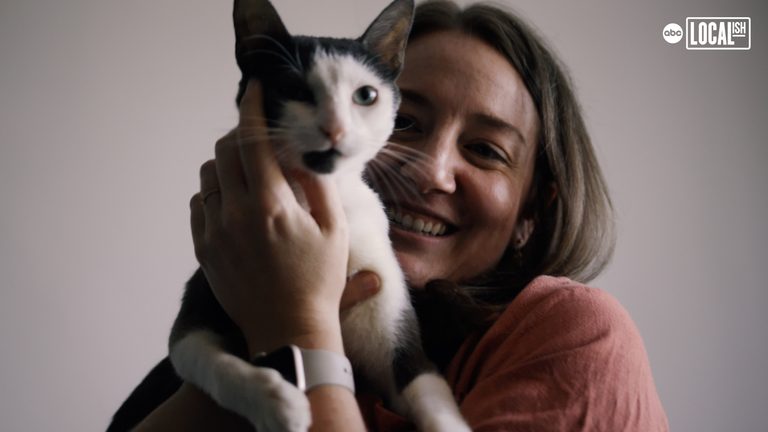
When the COVID‑19 pandemic forced many New Yorkers to work from home, two Brooklyn neighbors began noticing the plight of stray cats in their neighborhoods. Dana Heis first spotted a pregnant cat from her window and, feeling compelled to act, learned how to trap and care for the animal. That single encounter sparked a “snowball effect” that led Heis to rescue dozens of cats across Brooklyn and beyond.
Lizzie Falcone, who also spent more time at home during the pandemic, encountered an emaciated cat that prompted her own entry into rescue work. Together, Heis and Falcone now operate as a coordinated team, responding to calls, trapping feral cats, and providing medical care that would otherwise be unavailable.
Scale of the problem
Both rescuers quickly realized that the visible cats were only a fraction of a larger crisis. “You see one cat, there are actually forty more you don’t see,” Heis explains. Most outdoor‑born kittens do not survive past their first year, making each rescued kitten a potential life saved.
Falcone points to a lack of municipal resources as a key barrier. City funding for low‑income pet owners and for feral‑cat programs is limited, forcing many indoor cats onto the streets when owners can no longer afford care. The result is a growing population of ill, untreated community cats.
Medical challenges and community fundraising
One of the team’s early rescues, a cat named Couscous, suffered severe dental disease and a $1,500 surgery bill that could have ended his life. Falcone turned to the Brooklyn cat‑rescue community on Instagram, launching a viral campaign that covered the surgery and allowed Couscous to live a six‑month, love‑filled stay in her home. Unfortunately, later examinations revealed irreversible kidney disease, underscoring how many stray cats face multiple, hidden health issues.
Another case, a cat named Firn, required extensive treatment for a broken pelvis. Through a coordinated social‑media effort, Heis and Falcone raised more than $50,000 from over 1,800 donors, enabling the life‑saving care.
Building a movement
Beyond individual rescues, Heis and Falcone aim to change public perception of stray cats and inspire broader participation. They encourage neighbors to become TNR‑certified, donate modest sums for veterinary care, or simply share awareness online. “If a lot of people do a little, we all do a lot,” Falcone says.
Their message resonates with many Brooklyn residents who, while not full‑time rescuers, recognize that a single act of kindness can transform a cat’s fate. The duo hopes their work will prompt the city to allocate more resources for humane cat‑control programs, reducing suffering and improving neighborhood health.
How to help
Brooklyn residents interested in supporting the effort can follow Heis and Falcone on social media, volunteer for trap‑neuter‑return initiatives, or contribute to ongoing medical fundraisers. The rescuers stress that anyone can make a difference, whether by trapping a single cat or advocating for better municipal support.
Original reporting: Brookhaven News – ABC7 New York — read the source article.