Brookfield, Wis. – At Brookfield Academy, seventh‑ and eighth‑grade students are stepping into a simulated marketplace called the Brookfield Academy Mini Economy (BAME). The program lets kids run their own businesses, negotiate contracts, vote for student officials and manage a classroom currency called “Peschos.”
Learning by doing
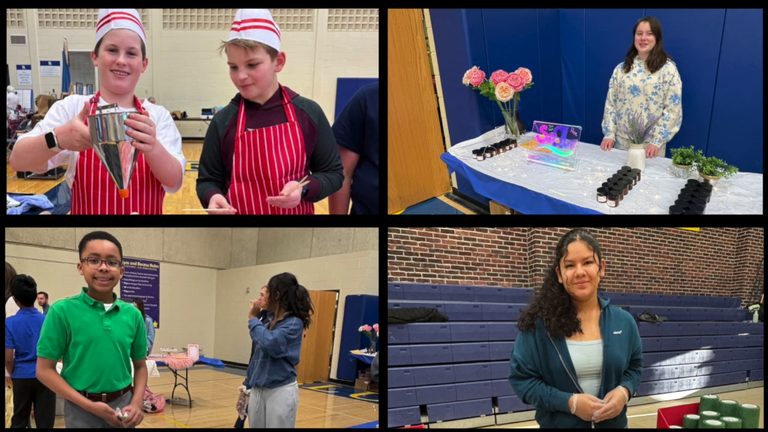
“It’s like a sort of simulated economy,” said eighth‑grader Jack Foley, who helped design a bubble‑waffle stand for the project. After several recipe tweaks, Foley’s team perfected the treat and sold it to classmates, learning the importance of product development and pricing.
Friends Foley and Henry Jubber partnered as business owners, discovering how collaboration and competition shape market outcomes. “They sold really well,” Jubber noted, proud of the sales figures his team generated.
Student government and accountability
The program also mirrors democratic processes. “I ran for Vice President, and I was elected,” said fellow eighth‑grader Teagan Tomchek, who now presides over the student Senate. Tomchek explained that serving in the role helped her understand the responsibilities of elected officials and the impact of campaign promises.
Head of middle school Shelly Sullivan emphasized the civic lesson: “When they elect people that make a promise, they have to see if they lived up to that promise. When they talk about low taxes, they see how that impacts them personally.”
Financial literacy in action
Students decide whether to rent or buy lockers at the start of the school year, negotiate contracts with teachers, and budget their earnings. “You can tell students things, but when they actually get to experience it – and when we trust them to make decisions for themselves – there’s a lot of power in that,” Sullivan said.
Eighth‑grader Eli Visor admitted he wasn’t confident with money before BAME. “Um, yeah – I feel like you have to budget. I wasn’t as good as I am now,” he said, noting the program’s role in building his confidence.
Connecting academics to real life
Beyond finance, BAME helps students link history and economics. Visor shared that the simulation made historical connections clearer for him, a self‑described “not‑so‑good history person.”
Caroline Jing, who enjoys math, sees a future in banking: “I thought banking would be a really great job for me because math was one of my strongest skills – and you use your strongest skills to help you make money.”
Year‑end auction and broader goals
At the end of the school year, students cash in their Peschos and bid on prizes at a school auction. Sullivan clarified that the goal isn’t to crown the richest student but to teach productive citizenship. “Your goal isn’t to be the richest. Your goal is to learn how to be a productive citizen, and you can get there by many different ways,” she said.
Participants agree that the hands‑on experience will pay dividends when they become adults. “It teaches you how to be responsible with your money and what it’s like to work with other people and be in a society,” Jing added.
Community impact
For the past 25 years, BAME has given Brookfield Academy’s middle‑schoolers a practical foundation in economics, personal finance and civic responsibility. The program’s blend of entrepreneurship, budgeting and democratic practice equips students with skills that families and faith‑centered communities value: stewardship, hard work and accountable leadership.
Original reporting: FOX6 WITI – local news — read the source article.