Johnson County leaders are turning the momentum from the 2026 Women’s World Cup into lasting economic and community benefits. While the county did not host any matches, the influx of visitors—over 680,000 in the region—produced a 14.1% increase in June retail sales compared with the same month in 2025, adding roughly $240 million in direct spending.
Revenue gains translate to tax relief
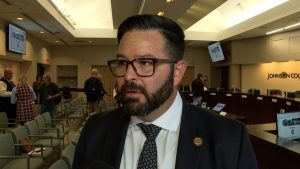
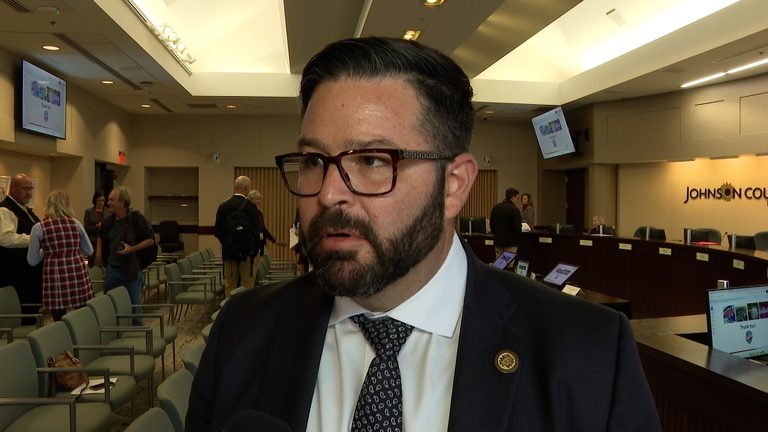
County Commissioner Chairman Mike Kelly told KSHB 41 News that the surge in sales tax revenue could help ease residential property taxes, a concern voiced by many homeowners in recent months. “Absolutely, we want to look at how we can alleviate residential property taxes,” Kelly said, adding that the county expects its best tourism year ever, which will directly fund local government services.
Transit planning built on real‑world data
Although the temporary transit link that connected Johnson County to the airport and downtown Kansas City was a short‑term solution, Kelly emphasized that the data collected will serve as a blueprint for future regional connectivity. “Now we actually have a foundation for that conversation, so I think that in and of itself is a huge success,” he explained, noting the county’s commitment to investing in transit that works for all residents.
Public‑safety enhancements funded by the tourism windfall
Strategic Initiatives Manager Bo McCall highlighted recent upgrades to the sheriff’s office, including new patrol vehicles and emergency‑response equipment. “Johnson County made early investments in our sheriff’s office and the infrastructure for supporting operations so they would be successful going forward,” McCall said, describing the improvements as a lasting legacy of the World Cup event.
Planning for future events
The county is already drafting a playbook for any future major gatherings, including the possibility of a women’s World Cup match in Kansas City in 2031. McCall noted that the collaborative partnerships formed during this year’s tournament will serve as a template for both large‑scale and smaller community events.
“Being able to adapt, identify different levels of opportunity, and meet customers where they are—that’s another big lesson going forward,” he said.
Community impact and next steps
Local business owners and residents have praised the county’s proactive approach. The additional sales‑tax revenue not only supports property‑tax relief but also funds continued investment in infrastructure, public safety and regional transit. As Chairman Kelly summed up, “The big takeaway for me is we can do this. There is no event too big.”
Johnson County’s experience demonstrates how a well‑managed tourism boost can translate into tangible benefits for families, businesses and the broader community, reinforcing the county’s reputation as a forward‑thinking, family‑focused jurisdiction.
Original reporting: KSHB 41 Kansas City (local) — read the source article.