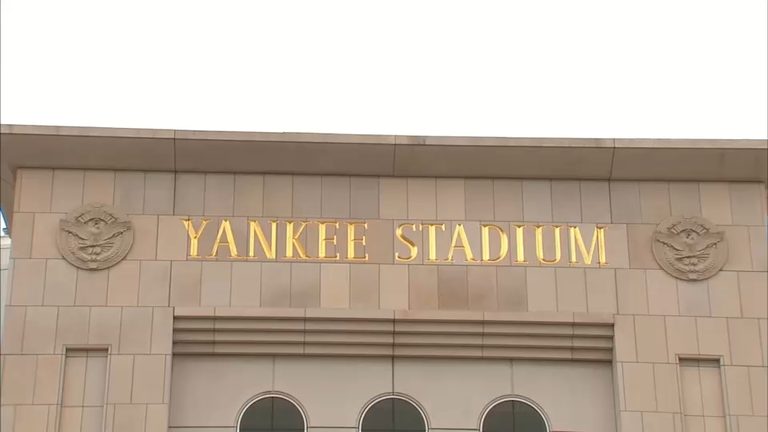
New York City health officials announced Thursday that ten cooling towers in the South Bronx must be fully remediated after preliminary PCR testing detected Legionella bacteria. Among the towers slated for cleaning is the system at Yankee Stadium, located at 1 E. 161st St.
Outbreak details
Since the investigation began on Sept. 10, the Health Department has diagnosed nine cases of Legionnaires’ disease linked to the cluster in the Melrose and Morrisania neighborhoods, up from five earlier in the week. One victim has died, three remain hospitalized, four have been discharged, and one required no hospitalization.
Officials emphasized that there is no additional risk to residents or visitors inside any of the affected buildings. Tap water, showers, and air‑conditioning units in the neighborhoods remain safe to use.
Yankees response
The New York Yankees issued a statement confirming that the stadium’s modern, high‑efficiency chiller towers have undergone weekly water‑quality and bacteriological testing for the past three years. Monthly testing results submitted to the Department of Health have consistently been negative for Legionella. The most recent monthly test on Aug. 20 was negative, and subsequent weekly tests on Aug. 26, Sept. 2 and Sept. 9 also showed no live bacteria.
When the Department of Health conducted 24 PCR tests on cooling towers in the Bronx on Sept. 11, the tower at Yankee Stadium returned a positive result for trace amounts of Legionella DNA. PCR testing can detect bacterial DNA but cannot determine whether the organisms are alive. Only live Legionella can cause illness, and the Health Department is now performing culture testing, which may take up to two weeks, to confirm whether live bacteria were present.
The Yankees stressed that no current cases have been linked to the stadium and that the Department of Health has not asked the team to postpone any games.
Public‑health actions
City officials ordered the ten towers to be drained, cleaned and disinfected by the upcoming Monday. The Health Department will continue culture testing on all samples and will update the public as results become available.
Residents, workers and visitors who have been in the affected area since late August are urged to seek medical attention if they develop fever, chills, cough, muscle aches or shortness of breath.
Community outreach has intensified, with health workers distributing more than 1,100 informational flyers and engaging hundreds of Bronx residents. The Department of Health hosted a virtual town hall on Sunday and plans an in‑person meeting at Metropolitan College on Tuesday at 6 p.m.
Broader context
This is not the first time a major New York venue has faced a Legionella concern; the Metropolitan Museum of Art was previously ordered to take corrective action after similar findings. The current effort reflects the city’s commitment to swift, transparent action to protect public health while ensuring that daily life—work, school, recreation—continues safely.
Original reporting: Allentown News – 6abc Philadelphia — read the source article.