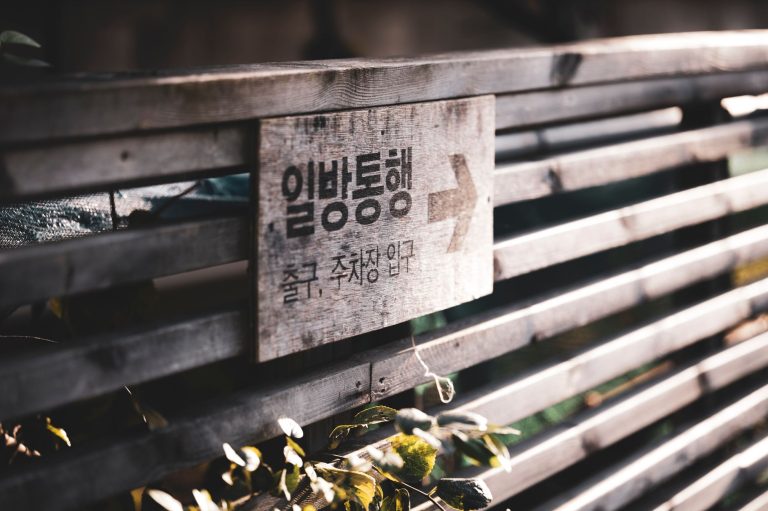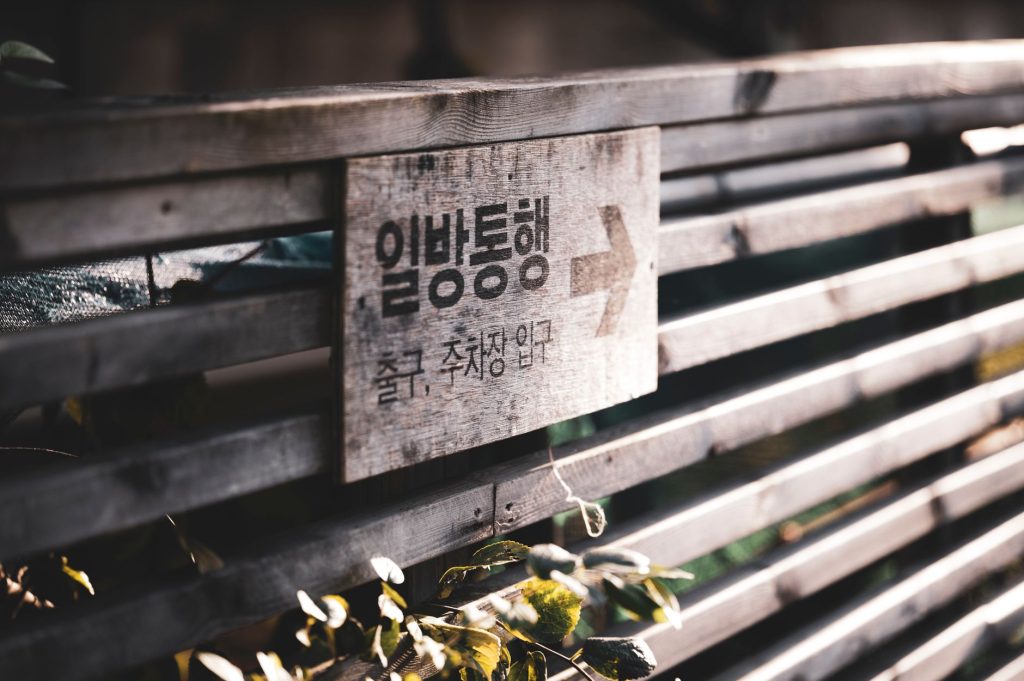
Arirang Korean Restaurant has been operating in Broken Arrow for over a decade, which surprises most people who discover it, because the place seats maybe forty and doesn’t advertise much beyond a hand-lettered sign facing a strip-mall parking lot off Kenosha Street near the 71st corridor. That invisibility is not a marketing strategy. It’s just how it’s always been.
You pull in around 6:30 on a weeknight and the lot is nearly full. That’s your first clue. Inside, the room is warm, slightly smoky from the ventilation hoods built into every table, and loud enough that you’re not performing your conversation — you’re just having it. A server brings a tray of banchan before you’ve even looked at the menu: kimchi, seasoned spinach, fish cake, pickled radish, bean sprouts. Five or six small dishes arranged across the table. You didn’t order them. They’re just there, refillable if you ask.
The menu is longer than you’d expect. If it’s your first visit, the galbi — grilled short ribs — is the place to start. You can order them raw and cook them yourself over the charcoal grill cut into your table, or ask the kitchen to handle it. First-timers usually let the kitchen do it. Regulars almost always want to cook their own. The pork belly, called samgyeopsal, is thick-cut and pairs well with the garlic cloves and sliced green onion they bring alongside. You wrap it all in sesame leaves with a dab of fermented shrimp paste and eat it in one bite.
If you’re not in a grilling mood — and sometimes you’re not — the bibimbap is as good as it gets in this part of Oklahoma. It arrives in a stone bowl so hot that the rice crisps against the bottom while you stir in the gochujang paste. The soft tofu stew, sundubu jjigae, comes out still bubbling, red and deeply savory, with a raw egg dropped in just before serving. Order that on a cold January night and you’ll understand why people come back.
Dinner for two with drinks runs somewhere between $40 and $65 depending on whether you go the KBBQ route or stay with the hot food. Korean beers like Hite are on the menu, and they carry makgeolli, the milky rice wine that’s fizzy and slightly sweet — worth trying even if you’re skeptical.
The staff is efficient rather than chatty, which some people read as cold. It isn’t. They’re just busy. On weekend evenings especially, there’s usually a small cluster of people waiting near the door, and turnover matters. If you want a slower, more attended experience, go on a Tuesday.
What keeps Arirang standing while other niche restaurants in suburban Tulsa come and go is consistency. The food today is the same food that was here five years ago. The banchan hits the table fast. The grill at your table actually works. Nobody’s trying to reimagine anything. Korean barbecue has a format, and Arirang follows it without apology — which is exactly why the parking lot fills up before seven on a weeknight in a strip mall off Kenosha Street that most of the city drives past without a second look.