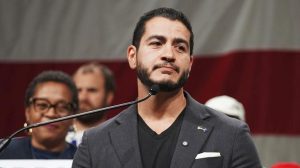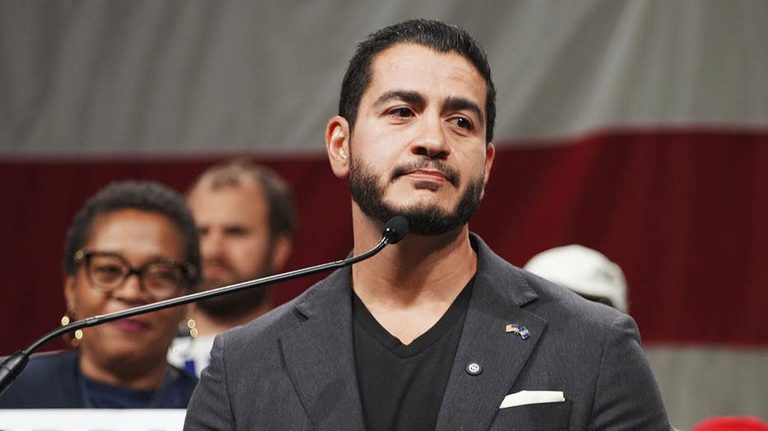
Michigan made history in the 2024 midterm elections by electing Abdul El‑Sayed, D‑MI, as the nation’s first Muslim senator. The victory has sparked a heated debate over the difference between mainstream Muslims and the extremist ideology of Islamism, a distinction that many conservatives say is often ignored.
Republican leaders question El‑Sayed’s background
Vice President JD Vance called El‑Sayed “very, very evil,” and former President Donald Trump repeatedly referred to him as a “jihadist.” Rep. Nancy Mace (R‑SC) also raised concerns about the fitness of Muslims for public office. These statements, while strong, reflect a broader Republican struggle to separate legitimate security concerns from blanket anti‑Muslim sentiment.
El‑Sayed’s response and the need for clarity
During a televised interview, El‑Sayed denied any family connection to the Muslim Brotherhood and later joked about the accusations, suggesting critics were over‑reacting. He has since distanced himself from far‑left commentator Hasan Piker, who previously made inflammatory remarks about the September 11 attacks.
El‑Sayed’s campaign also faced criticism for his past comments supporting the Brotherhood’s role in Egypt’s 2012 uprising and for appearing at an Arab America Foundation summit where a speaker declared, “You destroyed AIPAC twice,” followed by the slogan “From the river to the sea.” While some view the phrase as a call for Israel’s elimination, others argue it calls for equal rights. El‑Sayed did not publicly challenge the remarks at the time.
Democratic hesitation to address Islamist influence
Democratic leaders have been reluctant to probe the issue, often labeling such inquiries as “Islamophobia.” Former Chicago Mayor Rahm Emanuel, for example, faced questions about rising antisemitism and anti‑Israel activism but offered limited commentary. Critics argue that dismissing all scrutiny as bigotry makes it harder to investigate genuine extremist influence.
Fox News Digital reporter Asra Nomani documented the post‑election summit incident, emphasizing the importance of elected officials clarifying their stance on slogans that could be interpreted as hostile to Israel.
Why the distinction matters
When all Muslims are painted with the same brush, legitimate concerns about Islamist political movements become obscured. Conversely, labeling every critique of political Islam as “Islamophobia” silences honest debate. Both extremes hinder the public’s ability to assess candidates on their policies and affiliations.
El‑Sayed’s supporters argue that his medical background and personal experience as a Muslim woman‑physician give him a unique perspective on religious liberty and public health. However, opponents point to his 2012 columns co‑authored with pro‑Islamist viewpoints as evidence that his views may have shifted over time.
Looking ahead
As El‑Sayed prepares to take office, Michigan’s Jewish leaders have expressed a willingness to work with him while urging clarity on his positions regarding Israel, antisemitism, and Islamist groups. The Senate will soon hear whether El‑Sayed can separate his faith from extremist ideologies and represent a diverse constituency.
The ongoing debate underscores the need for voters and officials alike to distinguish between legitimate religious practice and political movements that seek to undermine democratic institutions.
Original reporting: Fox News (HLL/CB) — read the source article.