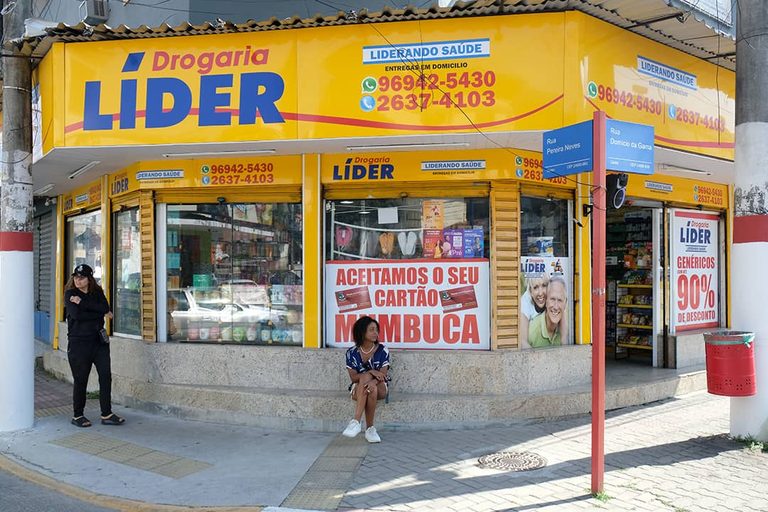
Maricá, a 212,000‑person city just outside Rio de Janeiro, has become a laboratory for municipal finance. After oil discoveries in 2006, the city launched a basic‑income program and, in 2017, created a sovereign wealth fund with an initial R$275 million investment. The fund now exceeds R$2 billion and is managed through CODEMAR, a company separate from the mayor’s office.
How the fund works
The Maricá fund is earmarked for long‑term development rather than short‑term budget filling. It finances projects such as a new seaport, a five‑star resort, airport expansions, a technological park, greenhouses, and even a samba school. By keeping money circulating locally, the fund aims to sustain growth when oil royalties decline.
Early results and challenges
A 2024 Jain Family Institute study found households receiving the local currency, the Mumbuca, saw a 9 % income increase. However, the fund’s size limits its ability to finance massive infrastructure without external loans from Brazil’s Development Bank or the World Bank. Critics also warn that political turnover could reshape investment strategies, as the fund is not fully insulated from municipal elections.
U.S. perspective
President Trump’s 2025 executive order to explore a national sovereign wealth fund reflects a growing interest in using surplus revenues for long‑term stability. Yet, senior researchers note that most U.S. cities lack the resource surplus that fuels Maricá’s model. Alaska’s permanent fund and Texas’s Rainy Day Fund remain the only domestic examples.
What the debate means for local communities
Proponents argue that a carefully structured fund could support local jobs, food security, and climate‑resilient projects without raising taxes. Opponents caution that without a clear surplus, such funds could strain municipal budgets or become politicized. The conversation underscores the need for constitutional fidelity, parental‑rights protection, and family‑centered development as cities consider new financial tools.
Original reporting: KEYT (Ventura/Santa Barbara) — read the source article.