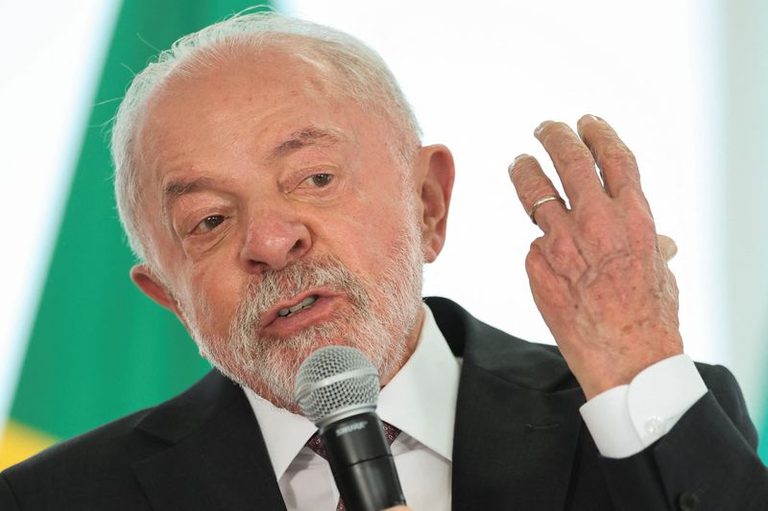
BRASILIA — In the coming days, Brazil’s presidential office is expected to release an executive order that bans online casino games across the nation. The proposal, confirmed by four sources familiar with the discussions, reflects President Luiz Inácio Lula da Silva’s long‑standing desire to curb online gambling ahead of the October 4 general elections.
Scope of the ban
According to two of the sources, the order will target only online casino platforms, leaving sports betting and sponsorship agreements involving sports clubs and competitions untouched. However, the distinction may have limited practical effect because most licensed sports‑betting operators also run online casino games, and casino revenues constitute the bulk of their earnings.
One source noted that “at least 50%, and in some cases up to 70%, of revenues come from casinos rather than sports betting, and that is what funds club and championship sponsorships.” With 188 authorized betting operators currently operating in Brazil, the ban could dramatically reduce the sector’s overall income.
Government rationale and fiscal impact
President Lula has repeatedly emphasized the need for responsible action on gambling. In a recent statement, he said, “We are discussing it. I have already held three meetings within the government and met with civil society, and my personal position is to end betting.” While the president’s language suggests a broader ambition to curb gambling, officials say the executive order will focus solely on the casino component.
Authorities acknowledge that removing online casino revenue will likely shrink operators’ tax contributions and diminish the funds available for sports sponsorships. Treasury data show the government collected nearly 10 billion reais (about $1.95 billion) last year from licensing fees and taxes on the gambling sector. A reduction in casino‑related income could therefore affect both public‑sector receipts and private‑sector sponsorships for sports.
Political context
The timing of the ban is significant. With Brazil’s first round of general elections scheduled for October 4, the administration appears eager to demonstrate decisive action on a high‑profile issue that resonates with many voters. Critics may argue that the move is politically motivated, but the president’s stated goal is to protect families and promote responsible entertainment.
Opponents of the ban, including some industry groups, warn that the measure could push gambling activity underground, reducing regulatory oversight and potentially fostering illicit operations. They also point out that sports betting, which remains legal, could see a surge in demand as players seek alternatives.
What comes next?
If the executive order is signed, operators will have a short transition period to cease casino‑related services. The government has not yet detailed enforcement mechanisms or penalties for non‑compliance. Stakeholders, including betting firms and sports clubs that rely on sponsorship money, are expected to seek clarification in the weeks ahead.
Brazil’s move adds to a global trend of governments tightening controls on online gambling, balancing revenue considerations with concerns about addiction and consumer protection. As the election approaches, the policy’s impact on public opinion and voter behavior will be closely watched.
Original reporting: Appleton, WI News Feed (HLL/CB) — read the source article.