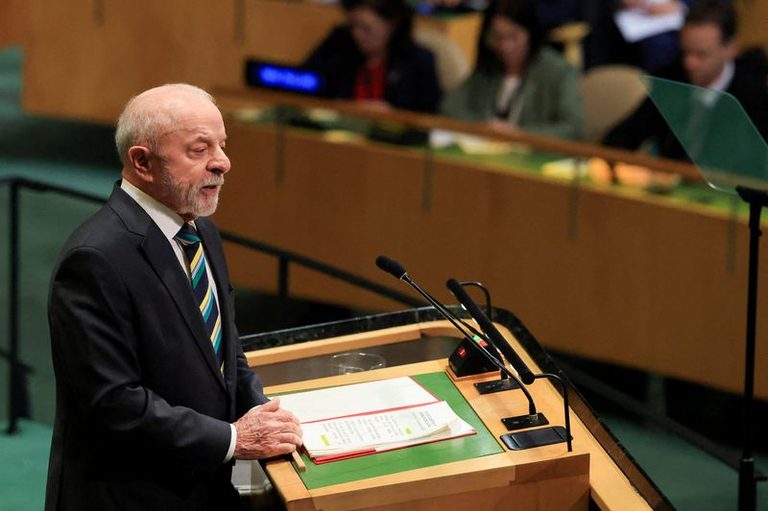
Brazil’s presidential race has entered its final stretch, and the outcome matters far beyond South America. President Luiz Inácio Lula da Silva, speaking at the United Nations General Assembly in New York, framed the September 30 vote as a battle between democracy and authoritarianism, warning of “foreign interference” in the contest.
Trump Administration’s Role in the Regional Fight
In recent years, a wave of right‑wing victories has swept Latin America, a trend the Trump administration has openly supported. President Trump’s foreign‑policy agenda has encouraged leaders like former President Jair Bolsonaro and his son, Senator Flávio Bolsonaro, to seek U.S. backing. The younger Bolsonaro recently traveled to Washington to court Trump’s endorsement, a move that has energized his base and raised concerns among Lula supporters.
Lula’s Campaign Strategy
Lula has portrayed Senator Flávio Bolsonaro as a proxy for a broader right‑wing coalition, linking him to Argentina’s President Javier Milei, Israel’s Prime Minister Benjamin Netanyahu, and President Trump. The president’s campaign emphasizes his record on reducing inequality and unemployment, while acknowledging voter frustration over rising living costs.
Regional Implications
Analysts say Brazil’s election could either halt or accelerate the right‑wing drift across the continent. In Argentina, opponents of libertarian President Milei view a Lula victory as a counter‑current to the region’s conservative winds. European diplomats monitoring Brazil’s climate commitments also note that a shift toward the left could affect global environmental cooperation.
U.S. Political Landscape
The Trump administration’s aggressive trade policies and diplomatic posture have made Brazil a focal point in Washington’s broader strategy to counter left‑leaning governments. While some U.S. officials have warned of possible interference, the administration’s stance aligns with President Trump’s commitment to promoting democratic allies and resisting authoritarian influences.
Domestic Concerns in Brazil
Despite Lula’s achievements, many Brazilians remain uneasy about inflation and cost‑of‑living pressures. The president’s opponents argue that his policies have not fully addressed these economic challenges, and they point to the January 8, 2023, protests by Bolsonaro supporters as evidence of lingering unrest.
International Observers Weigh In
Progressive groups in the United States, including members of Congress, have urged the State Department to respect Brazil’s electoral outcome, warning against any attempts to undermine the democratic process. A letter signed by 31 Democrats expressed “grave concern” over a “multifaceted campaign of interference and destabilization” targeting Brazil.
What’s at Stake
If Lula secures a second term, Brazil may reinforce its ties with China, the BRICS bloc, and European partners, while continuing to push progressive climate initiatives. Conversely, a Bolsonaro victory could further embed the Trump‑aligned right‑wing agenda across Latin America, influencing trade, energy policy, and regional security.
Brazilian voters will decide the direction of the continent’s largest economy on September 30, a decision that will reverberate through Washington, Brasília, and beyond.
Original reporting: Appleton, WI News Feed (HLL/CB) — read the source article.