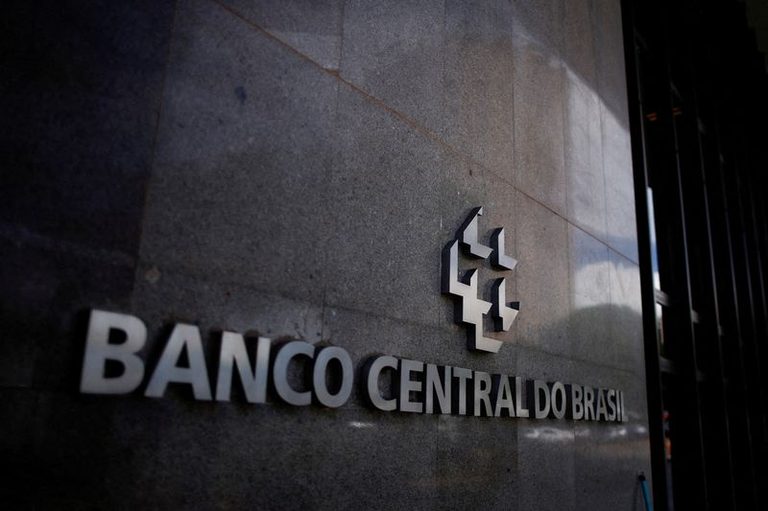
At a recent event hosted by J. Safra in Brasília, Brazil’s central bank monetary policy director Nilton David stressed that the best way to navigate the current climate of uncertainty is through smooth and predictable interest‑rate adjustments. David highlighted that the bank’s recent actions are producing the intended effects, pointing to moderation in inflation indicators tied to the more cyclical parts of the economy.
Recent Rate Cut and Election Context
The central bank cut its benchmark interest rate by 25 basis points for a fifth consecutive meeting, bringing the Selic rate down to 13.75%. The move came as Brazil heads toward a presidential election next month, with polls showing a close contest between incumbent left‑leaning President Luiz Inácio Lula da Silva and right‑wing Senator Flávio Bolsonaro.
Focus on Predictability
David likened the current environment to driving on a snow‑covered road in dense fog, saying, “Your ability to see further ahead becomes severely limited.” He argued that predictable policy actions help market participants plan ahead, reducing volatility and supporting economic stability.
Fine‑Tuning, Not Easing
While the bank’s weekly survey of more than 100 economists indicated markets now expect another 25‑basis‑point cut later this year, David emphasized that the current cycle should be viewed as fine‑tuning rather than broad monetary easing. He reiterated the long‑standing view that rates must stay in restrictive territory to bring inflation back to the central bank’s 3% target.
Inflation Outlook
Policymakers recently forecast annual inflation of 5.2% for this year, 3.9% in 2027, and 3.2% over the relevant 18‑month policy horizon, which extends through the first quarter of 2028. David pushed back against suggestions that the bank is looking through current supply shocks, arguing that such shocks have both direct and indirect effects and should not be tolerated if they risk becoming entrenched.
Balancing Supply Shocks and Policy Discipline
“The goal is to prevent a temporary inflation disturbance caused by a supply shock from becoming entrenched inflation,” David said. He underscored the importance of maintaining policy discipline to avoid second‑round effects that could undermine price stability.
Looking Ahead
As Brazil approaches a pivotal election, the central bank’s commitment to predictable, data‑driven policy aims to provide a steady backdrop for businesses and families. By keeping rates in a restrictive range while fine‑tuning adjustments, the bank hopes to guide inflation back to target without sacrificing economic confidence.
Original reporting: Appleton, WI News Feed (HLL/CB) — read the source article.