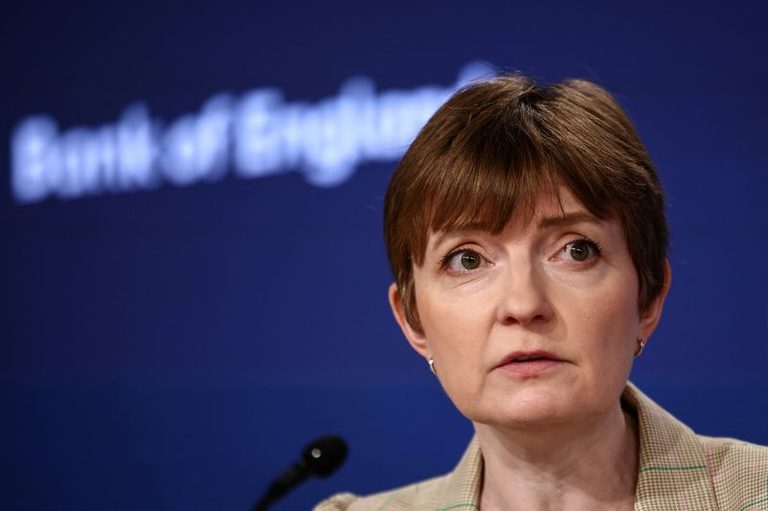
Bank of England Deputy Governor Clare Lombardelli cautioned that the United Kingdom could see higher interest rates if elevated energy costs continue unchecked. Speaking at the Sixth Biennial Conference on Macroeconomic Policy in Warsaw, Lombardelli emphasized that persistent energy price pressure creates a risk of inflation expectations, wage bargaining and price‑setting behaviour adjusting upward.
Energy prices as a catalyst for policy tightening
“The longer higher energy prices persist, the greater the risk that indirect effects build and that inflation expectations, wage bargaining and price‑setting behaviour begin to adjust in response,” Lombardelli said. She added that, absent clear evidence of disinflation or a slowdown in economic activity, the Bank of England would likely need to tighten policy to keep inflation on target.
Balancing act: not a mechanical response
Lombardelli stressed that the central bank is not advocating an automatic reaction to energy price movements. Instead, the Bank aims to pre‑empt the way those costs could feed through the broader economy. “I am not saying monetary policy should react mechanically to energy prices but instead counter the risk that they start to feed through into inflation expectations, wage bargaining and price‑setting,” she explained.
Implications for borrowers and savers
If the Bank of England does raise rates, borrowers could face higher loan and mortgage costs, while savers might see modestly better returns on deposits. Businesses would also need to factor higher financing costs into investment decisions, potentially slowing expansion plans.
What to watch next
Market participants will be looking for data that signals either a weakening of the UK economy or a clear decline in inflation pressures. Such evidence could give the Bank room to hold rates steady despite lingering energy price concerns. Conversely, if energy markets remain tight and prices stay high, the probability of a rate hike will increase.
Broader context
The warning comes as many central banks worldwide grapple with the inflationary impact of elevated energy costs following geopolitical tensions and supply‑chain disruptions. While the United Kingdom has taken steps to mitigate energy price spikes for households, the broader macroeconomic picture remains fragile.
Analysts note that the Bank of England’s forward guidance will be closely scrutinized in the coming weeks, especially as the next Monetary Policy Committee meeting approaches. Investors, homeowners, and small‑business owners are advised to stay informed about potential rate movements and to consider how changes could affect budgeting and financial planning.
Original reporting: Appleton, WI News Feed (HLL/CB) — read the source article.