Black women across the United States turned high motivation into historic electoral victories in the 2026 midterm cycle. More than nine in ten Black women surveyed expressed dissatisfaction with the country’s direction, yet 87% said they remained determined to vote. That resolve translated into overwhelming turnout in several key contests.
Record Turnout and Party Support
Exit polls showed 93% of Black women voted for Democratic candidates for the U.S. House, reinforcing the community’s strong partisan alignment. In Mississippi, poll workers reported lines of Black voters that strained local resources, underscoring the sheer volume of participation.
Landmark Wins
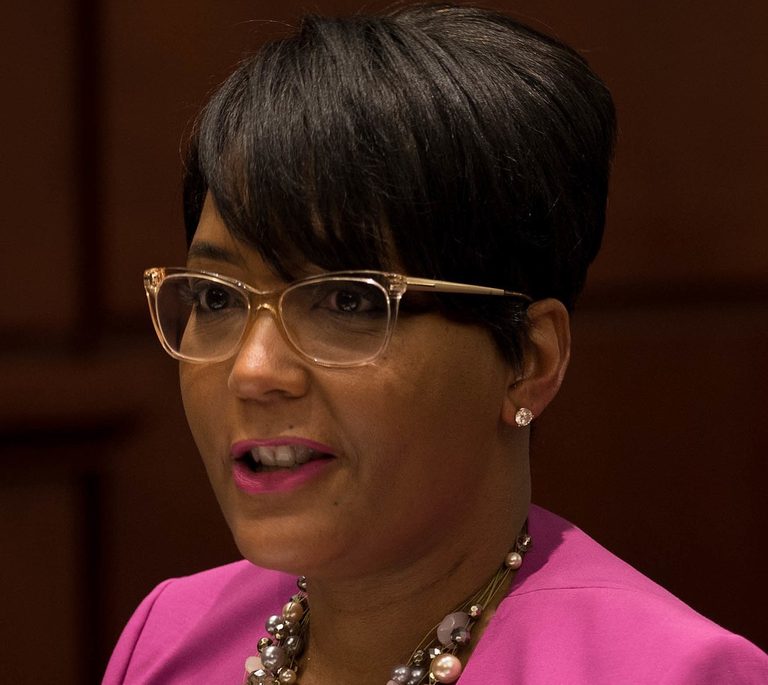
Georgia elected Keisha Lance Bottoms as the state’s first Black female governor, a milestone that reflects both the power of grassroots organizing and the growing political clout of Black women. Bottoms previously served as mayor of Atlanta, and her victory was celebrated by the Higher Heights for America network, which helped mobilize voters.
In the U.S. Virgin Islands, Stacey Plaskett secured the governorship, extending Black women’s leadership influence throughout the Caribbean diaspora.
Illinois made history when Julianna Stratton won a U.S. Senate seat, joining Senators Angela Alsobrooks and Lisa Blunt Rochester to create the first trio of Black women serving simultaneously in the Senate.
Down‑Ballot Successes
Black women also captured a range of statewide and local offices, including attorney general, secretary of state, lieutenant governor, and mayoral positions. Their victories signal a broader shift toward greater representation at all levels of government.
Challenges Ahead
While the wins are cause for celebration, elected Black women will face heightened scrutiny and pressure to deliver results for their constituencies. Advocates stress the need for continued community engagement, accountability, and early investment in future candidates.
Angie Nixon’s near‑victory in the Florida Senate race illustrates the impact of early support. Despite being outspent 16 to 1, Nixon narrowed the margin to three points, demonstrating that organized grassroots effort can overcome financial disadvantages.
Building Power for the Future
Leaders emphasize that these achievements are the result of decades of organizing, perseverance, and community investment. The momentum generated in 2026 is expected to lay a foundation for even greater representation in upcoming elections.
Glynda C. Carr, president and CEO of Higher Heights for America, credited the collective work of Black women voters, organizers, and candidates for the historic outcomes and called on supporters to keep the movement alive beyond election day.
Original reporting: The Washington Informer — read the source article.