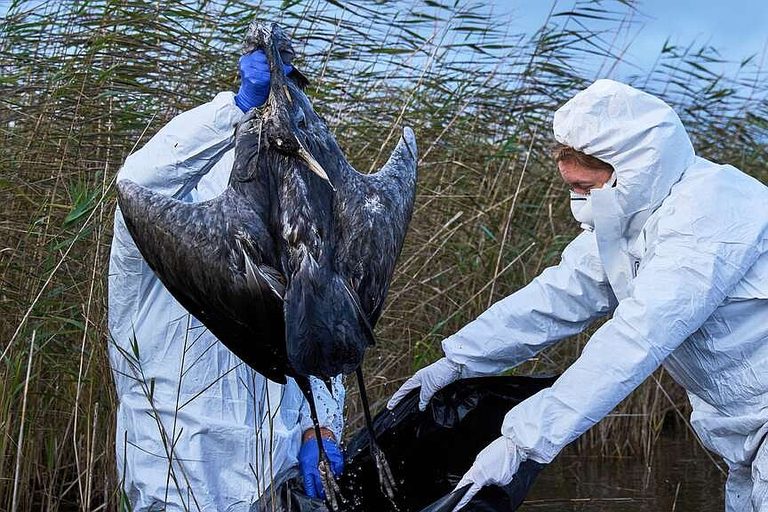
Australia is confronting a rapid spread of H5N1 bird flu that has already caused mass mortality among native birds and entered marine mammals. More than 1,000 birds have died, and the virus has been confirmed in seals, raising concerns about further losses to the continent’s unique wildlife.
Scope of the Outbreak
The first Australian case was identified in June when a migratory brown skua tested positive. Since then, officials have logged 309 confirmed bird‑flu events, a metric that counts each incident regardless of the number of birds involved. Species reported dead include greater crested terns, silver gulls and little penguins. South Australia has been hardest hit, recording 194 events and an estimated 1,000 crested tern deaths on three remote islands.
Government Response
Environment Minister Murray Watt warned that mass mortalities of birds and mammals are likely, urging realistic expectations while acknowledging the distressing nature of the situation. The federal government has begun vaccinating at‑risk bird species, starting with 5,000 little penguins in Victoria, and has allocated millions of dollars for surveillance and response measures.
Experts, however, caution that vaccines are not a “silver bullet” for wild populations. Ariful Islam of Charles Sturt University emphasized the need for ongoing monitoring to ensure vaccinated birds develop sufficient antibodies.
Impact on Marine Mammals
In addition to birds, the virus has infected a long‑nosed fur seal in South Australia, with a second seal suspected of dying from the disease. Seal specialist Jane Younger warned that unchecked spread among marine mammals could become an “extinction event” for species such as the vulnerable Australian sea lion, which numbers fewer than 10,000 adults.
To date, no vaccine has been approved for Australian mammals, and officials admit there is little that can be done to halt the virus’s spread among wild animals.
Community Involvement
Local volunteers are aiding the effort by documenting bird deaths. Maureen Christie, secretary of Friends of Shorebirds SE, patrols the coastline at Carpenter Rocks each morning, reporting sightings to authorities despite the emotional toll.
Risk to Humans
The government maintains that the risk to humans remains low. People are advised not to handle sick or dead wildlife, but to photograph and report incidents via official hotlines.
Australia’s experience with previous bird‑flu strains shows it can eradicate them, but the arrival of H5N1 this year presents a new challenge for conservationists and policymakers alike.
Original reporting: Texarkana Gazette — read the source article.