In a move that could reshape the timeline for energy and infrastructure projects across the United States, a bipartisan bill passed Congress this week. The legislation, titled the American Affordability and Jobs Act of 2026, seeks to streamline the federal permitting process, giving companies clearer certainty that once a permit is granted it will remain in effect unless extraordinary circumstances arise or the law is broken.
North Dakota leaders champion the reform
Senators John Hoeven and Kevin, both representing North Dakota, were vocal supporters of the bill. “This permitting package is very important,” Senator Hoeven said. “I have several bills included in there that will help us produce more energy in North Dakota, but across the country there’s $1.1 trillion worth of projects that are held up by regulation, and it will help get those projects going.”
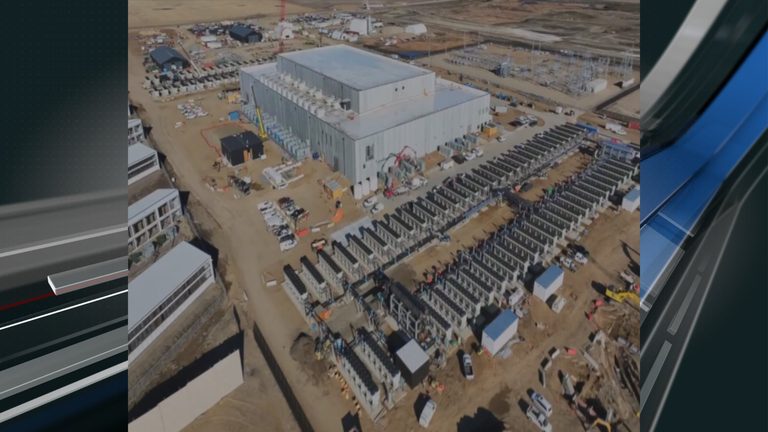
Hoeven added that the legislation would free stalled projects, lower housing costs, support increased energy production, and make energy more affordable for American families. The bill also requires large data centers to cover the full cost of the electric transmission lines they need, shifting the financial burden from taxpayers to the facilities that benefit from the infrastructure.
Key provisions of the bill
- Accelerated environmental reviews that are intended to be faster and more consistent.
- Guarantee that once a permit is issued, it cannot be arbitrarily revoked, except in extraordinary cases or if the permit holder violates the law.
- Mandate that large data centers pay for the transmission lines they use, reducing the cost to the public.
- Creation of a clear timeline for permit decisions, aiming to reduce the backlog of projects awaiting approval.
The bill’s supporters argue that these changes will cut bureaucratic delays that have slowed the development of critical energy infrastructure, including wind, solar, and natural gas projects that are vital to North Dakota’s economy.
Impact on local communities
For North Dakota residents, the legislation promises tangible benefits. Faster permitting could lead to more jobs in construction, engineering, and operations as projects move from planning to execution more quickly. Lower housing costs are expected as the supply chain for building materials and labor becomes more efficient.
Local businesses that rely on reliable energy—such as grain processors, manufacturing plants, and agricultural technology firms—stand to gain from a more predictable energy supply and reduced regulatory uncertainty.
Critics and next steps
While the bill enjoys bipartisan support, some environmental groups have expressed concern that faster reviews could compromise thoroughness. They argue that adequate environmental safeguards must remain in place to protect water quality, wildlife habitats, and public health.
The administration has responded by emphasizing that the bill does not eliminate environmental standards; rather, it seeks to make the review process more efficient while preserving essential protections. The Trump administration’s Office of Management and Budget is expected to issue guidance on implementing the new timelines and cost‑recovery provisions.
Congressional leaders plan to move the bill to the Senate floor for a final vote later this month. If enacted, the law would take effect at the start of the next fiscal year, giving companies and local governments a clearer roadmap for project planning.
North Dakota’s energy sector, already a national leader in wind and oil production, could see an influx of new projects that were previously stalled by permitting delays. Residents can look forward to the potential economic boost that comes with faster project approvals, while the administration pledges to keep environmental oversight intact.
Original reporting: KFYR-TV Bismarck (news) — read the source article.