

Bangladesh is confronting a severe measles outbreak that has claimed the lives of 999 children since the start of the year, according to the Directorate General of Health Services. More than 166,000 suspected cases have been recorded, including 19,835 laboratory‑confirmed infections.
Families on the front lines
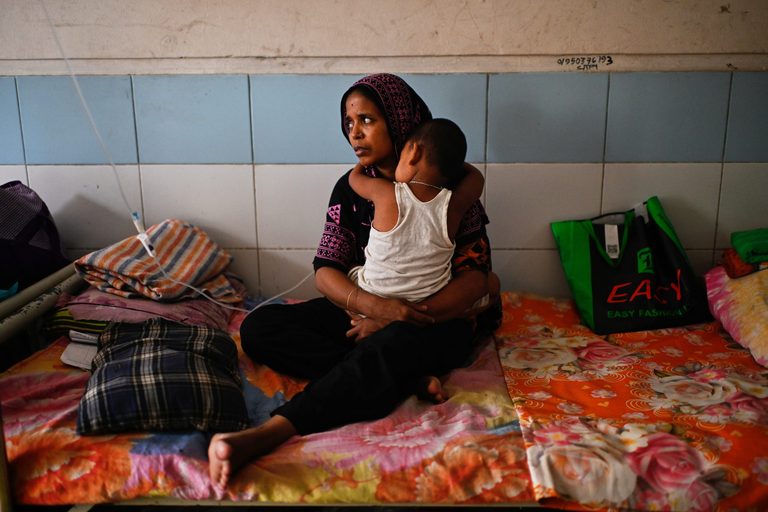
Eight‑month‑old Rojatun Jannat Ramisa lies in Dhaka Shishu Hospital struggling to breathe, while her parents watch helplessly. Her mother, Ranu Akhter, traveled hundreds of kilometers after doctors in eastern Bangladesh referred her daughter for specialized care. “Fourteen days ago, at the district hospital, I saw other children with red rashes, mouth sores, and fever,” Akhter told the Associated Press. “It made me realize how widespread the measles outbreak is.”
Government response
Since March, the Bangladeshi government, working with the World Health Organization, UNICEF and the Gavi vaccine alliance, has rolled out an emergency vaccination campaign. The effort began with children aged six months to five years and has since expanded nationwide in phases.
Prime Minister Tarique Rahman’s administration says the outbreak was exacerbated by disruptions to the routine immunization program. The COVID‑19 pandemic halted many vaccination visits, and a scheduled 2024 measles campaign was missed during a period of political transition.
Why the surge?
Neonatal and child specialist Atiqul Islam explained that children now four or five years old missed their scheduled shots, creating a coverage gap. “During the previous interim government, vaccines were also unavailable at many centers,” he said.
Bangladesh’s former leaders, including ex‑Prime Minister Sheikh Hasina and interim head Muhammad Yunus, have been blamed by the current administration for the shortages that left the country vulnerable.
Health impact
Measles is a highly contagious airborne disease that can cause fever, respiratory symptoms and a distinctive rash. Complications such as pneumonia, diarrhea, encephalitis and brain swelling are common in severe cases, especially among young children.
Two doses of the measles vaccine provide strong protection, but the World Health Organization says at least 95% of the population must be vaccinated to halt transmission. The emergency drive aims to close the immunity gap for children too young to be fully vaccinated and for immunocompromised individuals.
Looking ahead
Doctors at Bangladesh Shishu Hospital report that the situation has improved but remains critical. “For the past six months, we have been treating measles patients continuously, and we are exhausted,” Islam said.
The government plans to continue expanding vaccination sites, increase public awareness, and strengthen supply chains to prevent future outbreaks. International partners have pledged additional vaccine doses and logistical support.
As the outbreak unfolds, families like the Ramisas hope that swift action will protect their children and bring the deadly surge under control.
Original reporting: Alexandria, VA News – WTOP News — read the source article.