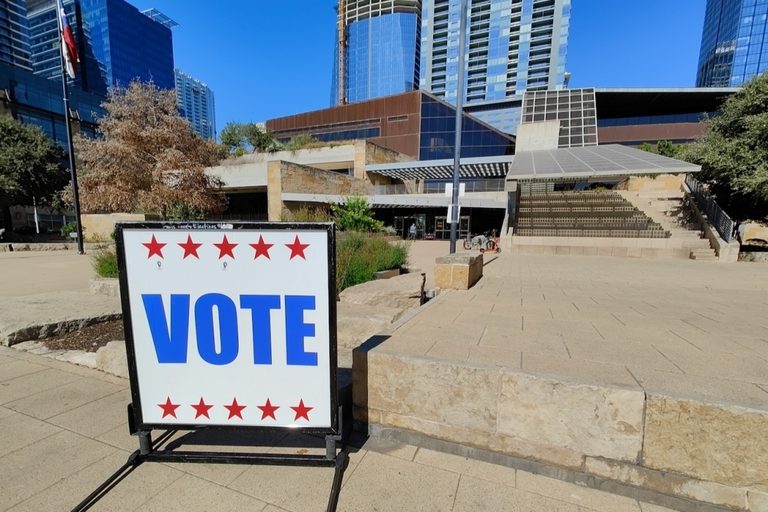
Early voting in Austin runs from Oct. 19‑30, and Election Day is Nov. 3. Voters will consider ten propositions that could reshape the city’s finances, council operations, and audit processes.
Bond measures for parks and libraries
Proposition A proposes a $260 million bond to improve and expand Austin’s park system. The money would be split among several priorities: $65.5 million for Parks and Recreation buildings, $65 million for parkland improvements, $65 million for aquatics facilities, $35 million to acquire new parkland, and $29.5 million for parkland infrastructure.
Proposition B offers a $35 million bond to upgrade the city’s library network. It would allocate $25 million to improve and expand the Hampton Branch at Oak Hill in Southwest Austin and $10 million to develop a future Colony Park branch in East Austin.
Charter amendments on the ballot
Eight charter amendments were placed on the ballot after a city‑wide charter review that began in 2023. Seven of the proposals were developed through standard city processes; the eighth, Proposition I, was driven by the political group Save Austin Now.
Proposition D would remove the requirement that City Council hold weekly meetings. Currently, the council meets every other week and cancels other dates on an annual schedule.
Proposition E would eliminate the rule that council set its procedures by ordinance, allowing more flexible rule‑making.
Proposition F would standardize campaign‑finance limits to a full calendar year starting Jan. 1, rather than tying limits to the city’s summer budgeting cycle.
Proposition G would require resident‑petition and charter‑amendment elections to be held in the next even‑year November election, aiming for higher voter turnout.
Proposition H would give City Council authority to hire and fire the city attorney, a role now filled by the city manager with council oversight of assistant attorneys.
Proposition I is the Save Austin Now “Independent Affordability and Efficiency Initiative.” It would embed a recurring third‑party audit into the charter, making the audit requirement permanent unless changed by a future election. The group collected more than 21,100 signatures, surpassing the 20,000 needed for ballot placement.
Proposition J consists of minor technical edits—correcting typographical errors, punctuation, and language that has become moot or unenforceable under new state law or court orders. The changes also touch on election provisions, annexation rules, and the city’s retirement systems.
Debate over Proposition I
City leaders, including Mayor Kirk Watson, have expressed support for the existing council‑approved audit program, noting it is more practical and flexible than the permanent charter amendment proposed by Save Austin Now. Critics of Proposition I argue the measure could lock the city into a costly audit structure, potentially requiring budget reductions to fund the third‑party contractor and limiting the ability to call a tax‑rate election without a prior efficiency assessment.
The coalition “Don’t DOGE Our Austin,” referencing the federal Department of Government Efficiency, warns that the proposed audit could incentivize unnecessary cuts to city services and increase costs. They estimate a single‑year expense of more than $9 million, compared with the current audit’s roughly $1 million annual cost.
Proposition I’s sponsor, attorney and former Travis County Judge Bill Aleshire, counters that the measure includes transparency safeguards and that opponents are largely supporters of last year’s failed tax‑increase Proposition Q. He accuses critics of employing a “boogeyman media strategy” to avoid publicizing government waste.
What voters should know
All eight charter amendments are described on the city’s website, and a fact sheet for Proposition I is available online. Voters can find polling locations and additional voting information at the county websites or at www.votetexas.gov. For a deeper dive into each measure, see Community Impact’s voter guide.
Original reporting: Community Impact — Austin — read the source article.