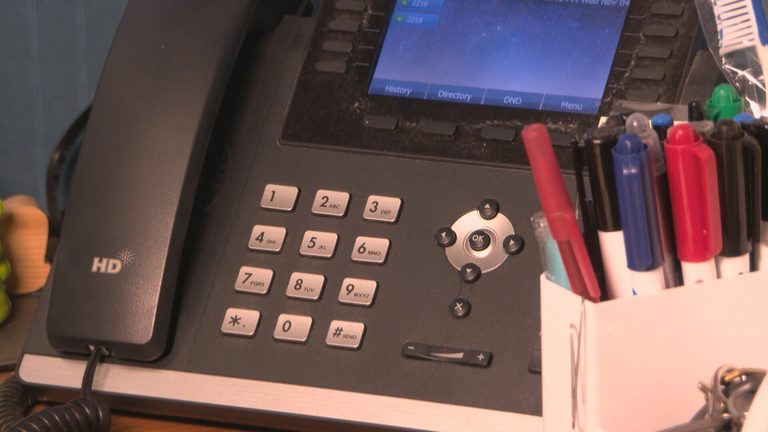
AT&T is beginning a year‑long transition that will retire its traditional copper‑based telephone network, known as plain old telephone service (POTS), in 18 states, including Texas and Oklahoma. The company says the aging infrastructure is increasingly difficult to maintain and is vulnerable to copper theft.
What the Change Means for Customers
According to an AT&T spokesperson, “Our transition is a year‑long process, and no customer will be left without access to voice or 911 service. We’re working with our customers to upgrade their copper‑based service to newer, less‑expensive options like AT&T Phone – Advanced.” The company stresses that the upgrade will preserve emergency calling capabilities while offering more modern features.
Customers who rely on landlines are encouraged to contact AT&T customer service soon to determine whether their line will be affected and to explore alternative services. The company’s full statement, posted at the bottom of the original article, reiterates the commitment to a smooth transition.
Local Impact: A Funeral Home’s Experience
Brown’s Funeral Service in Coalgate, Oklahoma, illustrated the practical challenges of the phase‑out. Billy Stevens, the owner, explained that the funeral home’s landline was disconnected during the transition, leaving the business unable to process credit‑card payments. “We weren’t allowed to take any kind of credit card payment, and that put some people in a bind,” Stevens said.
After the disconnection, the funeral home switched its phone and internet services to a fiber provider, moving its credit‑card reader to the new fiber line. However, the change also meant losing the long‑used fax number, which had been essential for sending military honors paperwork and other legal documents.
Stevens cautioned other landline users not to wait until their service is terminated. “Look for some alternative now and don’t wait till your landline is disconnected, because it will happen,” he advised.
Why the Shift Is Happening
The copper network that has carried voice signals for roughly 150 years is aging and costly to repair. In addition, copper theft has become a growing problem, prompting AT&T to accelerate its move toward fiber and digital alternatives that are both more reliable and cheaper to maintain.
By transitioning customers to newer platforms, AT&T aims to reduce operational costs and pass savings onto consumers. The company also highlights that the new services will continue to support 911 emergency calls, a critical concern for rural and suburban communities.
What Residents Should Do
Anyone with a traditional landline in Texas or Oklahoma should call AT&T’s customer service line to verify the status of their line and discuss upgrade options. Early action can help avoid service interruptions and ensure that essential functions—such as faxing legal documents or processing credit‑card payments—remain uninterrupted.
For businesses that rely heavily on fax machines, like funeral homes, it may be prudent to explore digital fax solutions that work over internet connections, reducing dependence on a physical copper line.
Looking Ahead
AT&T’s phased approach gives customers a full year to transition, but the company’s timeline suggests that many landlines could be disconnected before the year ends if users do not act promptly. The shift reflects a broader industry trend toward fiber and wireless communications, positioning the provider to meet modern consumer expectations while preserving essential public‑safety services.
Original reporting: KXII News 12 (Gray) — read the source article.