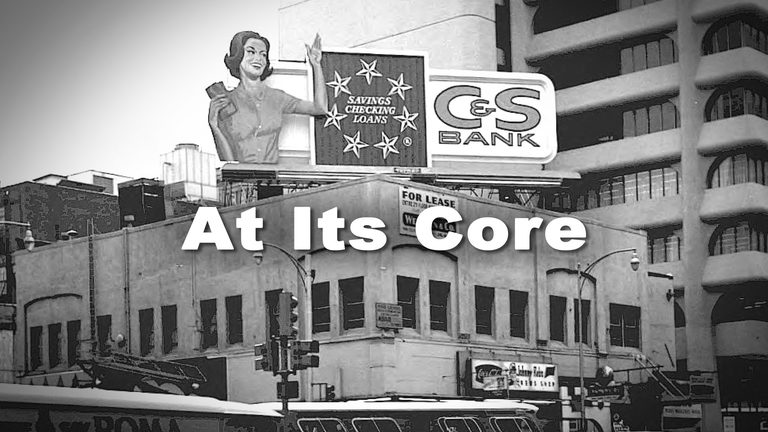
Midtown Atlanta’s skyline is defined by a handful of bold structures, and none is more distinctive than the circular Citizens and Southern Bank tower. Completed in the late 1960s, the building was the brainchild of local architect Richard Aeck, who drew inspiration from a revolutionary Frank Lloyd Wright concept. Its sleek, round form broke away from the boxy office towers of the era and quickly became a modern‑ist landmark for the city.
Why the tower was built
At the time, Citizens and Southern Bank needed a new headquarters that could accommodate rapid growth and signal confidence in the city’s future. The circular design solved a practical problem: it maximized usable floor space while providing a striking visual identity that set the bank apart from its competitors. The tower’s curtain‑wall façade and open interior layout reflected the optimism of the post‑war boom and the belief that architecture could shape civic pride.
Changing needs, same structure
More than two decades after its debut, the bank outgrew the building and sought a larger, more flexible headquarters. The very innovation that made the C&S Tower a marvel now posed a dilemma. Its unique geometry makes it difficult to reconfigure interior spaces for modern open‑plan offices, and the structural core limits vertical expansion. As a result, the bank eventually moved to a newer campus, leaving the tower to find a new purpose.
What the future holds
Today, the C&S Tower stands as a reminder of Atlanta’s architectural ambition. City planners and developers are exploring adaptive‑reuse options that respect the building’s historic character while meeting contemporary needs. Possibilities include converting the upper floors to luxury apartments, creating mixed‑use office‑retail space, or even establishing a cultural venue that showcases the city’s mid‑century heritage.
Local preservationists argue that the tower’s design is an irreplaceable piece of Atlanta’s cultural fabric. They point to the building’s inclusion in several architectural tours and its frequent appearance in photographs of the city’s skyline. Meanwhile, developers stress the importance of finding a financially viable use that can sustain the structure for decades to come.
Community perspective
Residents of Midtown have mixed feelings. Many appreciate the tower’s iconic silhouette and view it as a symbol of the neighborhood’s evolution. Others worry that an ill‑suited conversion could disrupt the area’s walkability and charm. The ongoing dialogue reflects a broader conversation in Atlanta about balancing growth with preservation—a theme that resonates with families and faith‑based groups who value both progress and heritage.
Regardless of the path chosen, the C&S Tower’s story underscores a timeless lesson: bold architectural ideas can inspire generations, but they also require thoughtful stewardship as cities change. As Atlanta continues to expand, the tower stands ready to write its next chapter, honoring the past while embracing the future.
Original reporting: SaportaReport — read the source article.